How does your business get medical waste off site now?
process- Scheduled route pickup0% (0)
- On-call pickup when containers fill0% (0)
- Mail-back program0% (0)
- We are still figuring it out0% (0)
No votes yet — be the first
Real visitor votes, updated the moment someone answers. Never padded.
Live totals for every biohazard waste transport poll on this site. A poll with only a few votes tells you very little, so treat these numbers as conversation starters and compare them with the sourced figures further down.
Send a short message to the follow-up inbox. A coordinator can reply by email. This form does not send emergency help; call 911 first if anyone is in danger.
No votes yet — be the first
No votes yet — be the first
No votes yet — be the first
No votes yet — be the first
No votes yet — be the first
No votes yet — be the first
No votes yet — be the first
No votes yet — be the first
No votes yet — be the first
No votes yet — be the first
No votes yet — be the first
No votes yet — be the first
No votes yet — be the first
No votes yet — be the first
No votes yet — be the first
No votes yet — be the first
No votes yet — be the first
No votes yet — be the first
No votes yet — be the first
No votes yet — be the first
No votes yet — be the first
No votes yet — be the first
No votes yet — be the first
No votes yet — be the first
An opinion poll tells you what people believed or preferred when they voted. It reflects their experience, their region, and sometimes their anger about a recent bill. Sourced figures are different. They come from agencies, studies, or industry reports with a stated method and date. Say a poll here leans toward mail-back programs. That shows how some visitors feel. Those visitors chose to answer, and the poll does not measure how waste is really shipped. Read polls for direction and for the questions they raise. When you need something solid for a budget or a compliance file, look to the cited figures elsewhere on the site.
Notice how a question is worded and who was likely to answer it. People looking into a problem tend to be the ones who had one. So poll answers may lean toward bad experiences with haulers or surprise fees. Small samples can swing fast when a few people vote in a short time. None of that makes the results useless. It just means you should weigh them like advice from a coworker. Combine them with your own container counts, your state's guidance, and the written terms your provider offers before you draw a conclusion.
Visitors to this page are not a random sample of everyone who deals with biohazard waste transport. People arrive here because they are planning, worried or curious, so the mix of answers can lean toward whoever was searching that week. Watch the vote count under each poll before you draw a conclusion, and compare what people think with the sourced figures below.
94% reported encountering needles or syringes while on duty.
Read with care: Occupational/local sample; no infection transmission rates established.
Source: Mittal et al. (2016)503 Tijuana police officers in an anonymous 2014 occupational survey.
Hospitals generate more than 29 pounds of waste per bed per day, according to Practice Greenhealth.
Read with care: Figure covers all waste streams, of which regulated medical waste is a minority.
Source: Practice Greenhealth (via MedCity News) (2024)United States hospitals, all waste streams
Self-reported any improper disposal fell from 97% before to 70% after implementation.
Read with care: Selected drug-affected areas; secular changes possible; baseline overlaps S063.
Source: Levine et al. (2019)Miami neighbourhood walkthroughs plus 448 pre-programme and 482 post-programme survey respondents.
These figures are public research and agency data, not this network's own job records. Keep each number with its population, year and limits; none of them predicts cost, timing or outcome at a specific property.
Each visitor's choice adds one vote to that option. The page shows the vote count and percentage for every option. The system allows one vote per visitor per poll. So if you pick a different answer later, it replaces your earlier vote instead of adding a second one. Totals include every recorded vote for that poll, with no weighting or changes.
Results are live, so every new vote changes the totals. When a poll has only a few votes, one answer can move the percentages a lot. As more people take part, the numbers tend to settle. You can use the refresh button on the page to load the latest totals. It helps to note the vote count before you draw any conclusion.
Yes. The results page groups polls into topics such as safety, cost, process, industry, general, and scenario. You can pick a topic to see only those polls. Choose All to go back to the full list. Filtering helps when you are preparing for a specific choice, such as a contract renewal, and want to see how others answered related questions.
No. You do not make an account or enter your name to vote. To keep one vote per visitor, the site uses an anonymous, scrambled signal based on your connection. It does not store details that identify you directly. Your browser also remembers which option you picked, so you can see your choice. Please avoid sharing business details in any public comment elsewhere on the site.
There is no single cutoff. But results based on very few votes say little beyond what those few people think. Look at the vote count shown under each poll. A clear pattern across many votes tells you more than a big percentage from a small group. Even then, the results reflect visitors to this site, not every business that makes medical waste.
They cannot tell you what your state requires or whether your hauler follows the rules. They cannot tell you what a fair price is where you work, or how your storage and paperwork would hold up in an inspection. They show opinions and experiences from other visitors. Use them to spot questions worth asking. Then get answers from your hauler, your state program, and your own records.
Pick one or two polls tied to a choice in front of you, such as contract terms or how treatment records arrive. Use them to start a discussion. Ask how your own practice compares, and why. Present the results as the views of others, not as a standard. Their value is in the questions they raise, which you can then take to your hauler or agency.
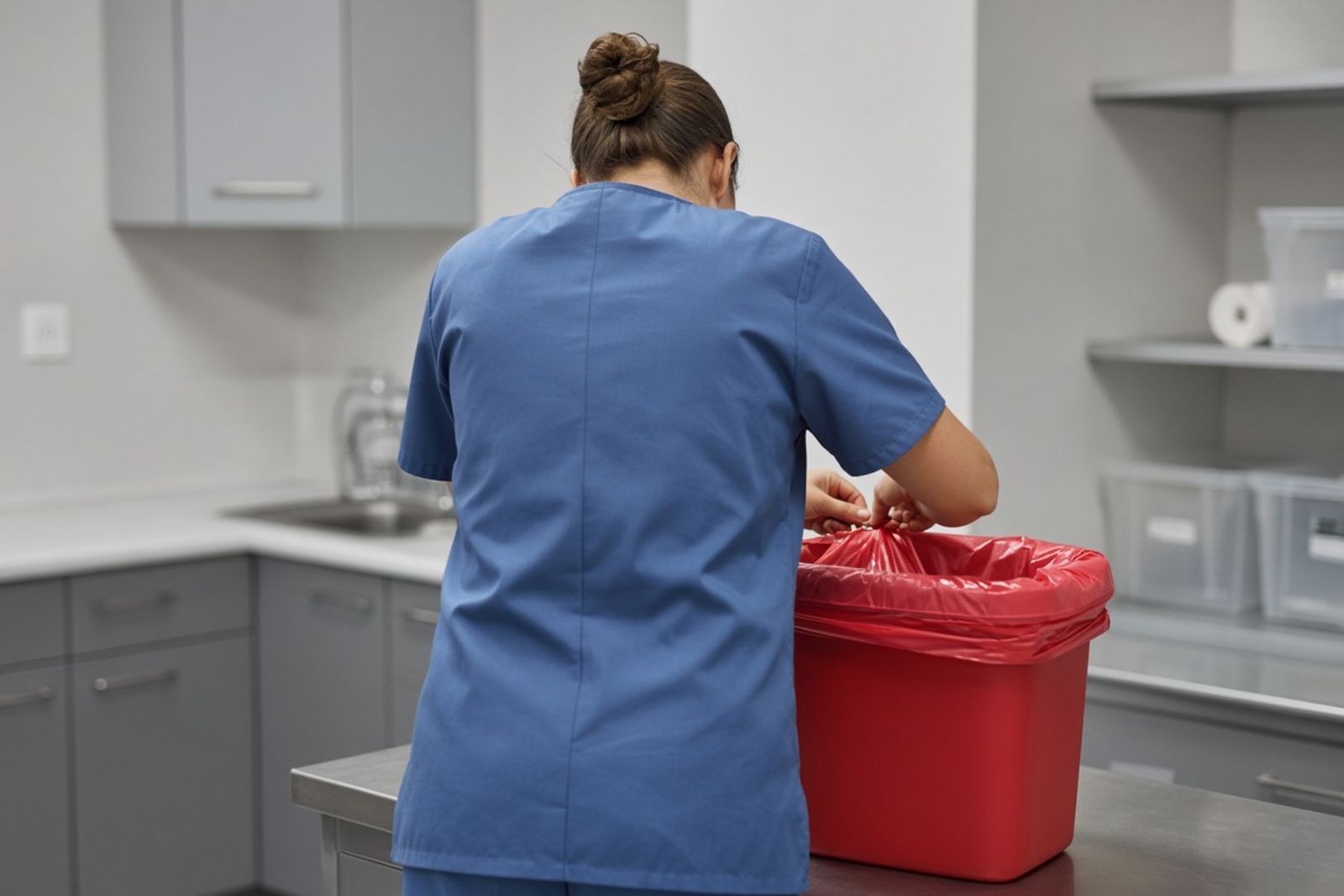
See how medical waste hauling works, from packing and shipping records to permitted treatment, before you sign with a hauler.
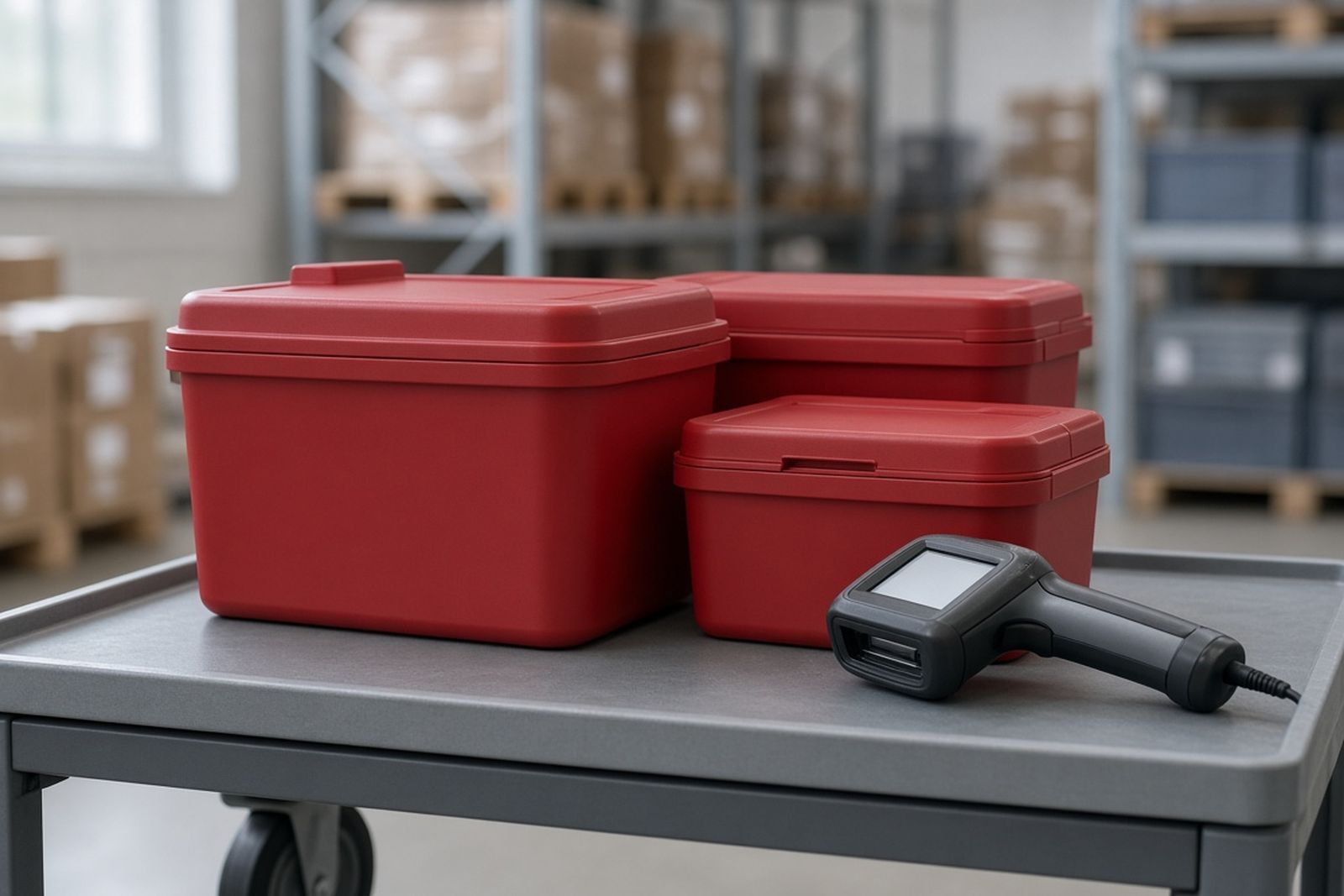
What drives the price, published cost ranges, and how to read a written quote line by line.
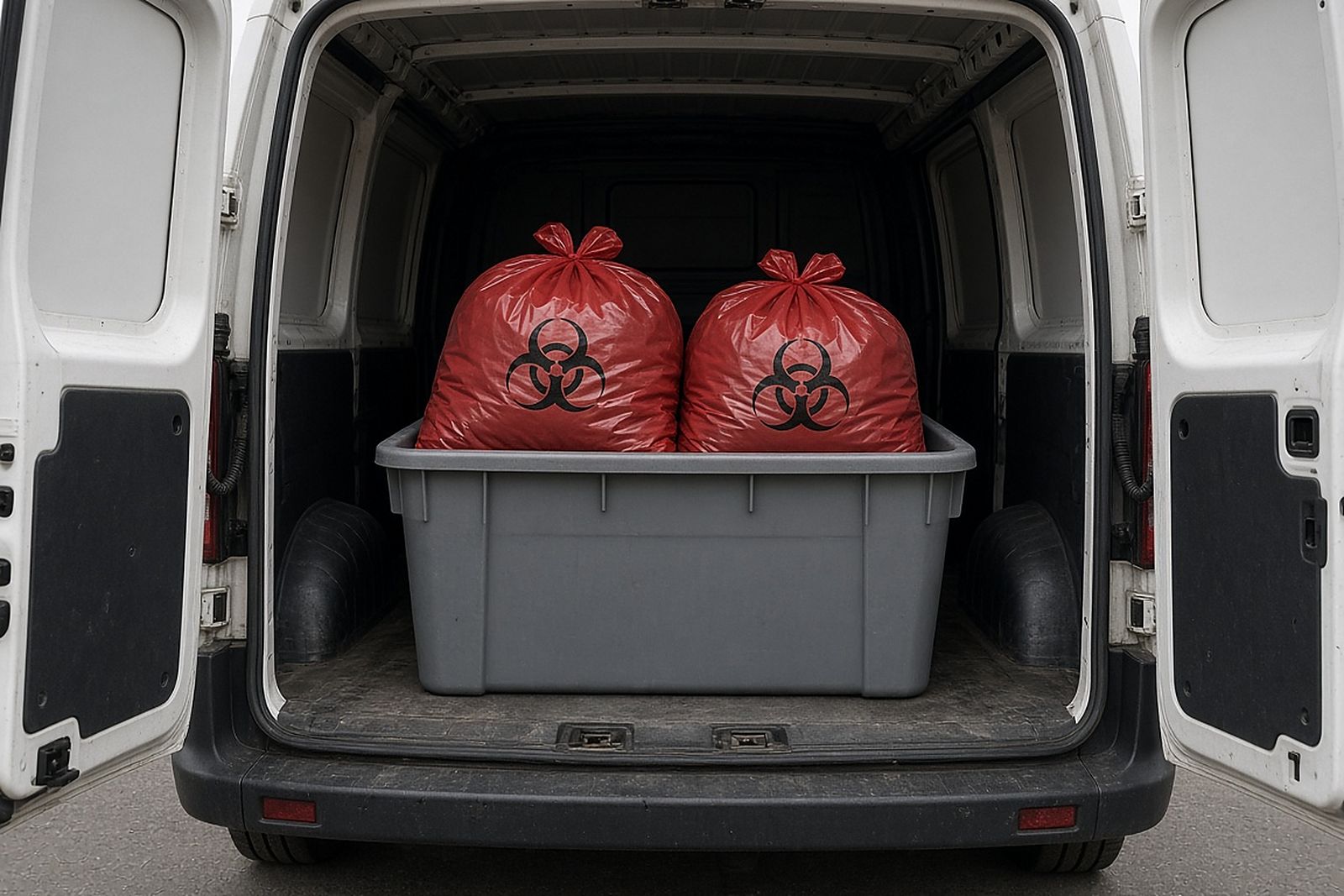
Which policies may respond, how to document a claim, and what to do if coverage is denied.
Use planners to estimate pickup costs, check haulers, sort waste, and organize records for your medical waste program before you commit.
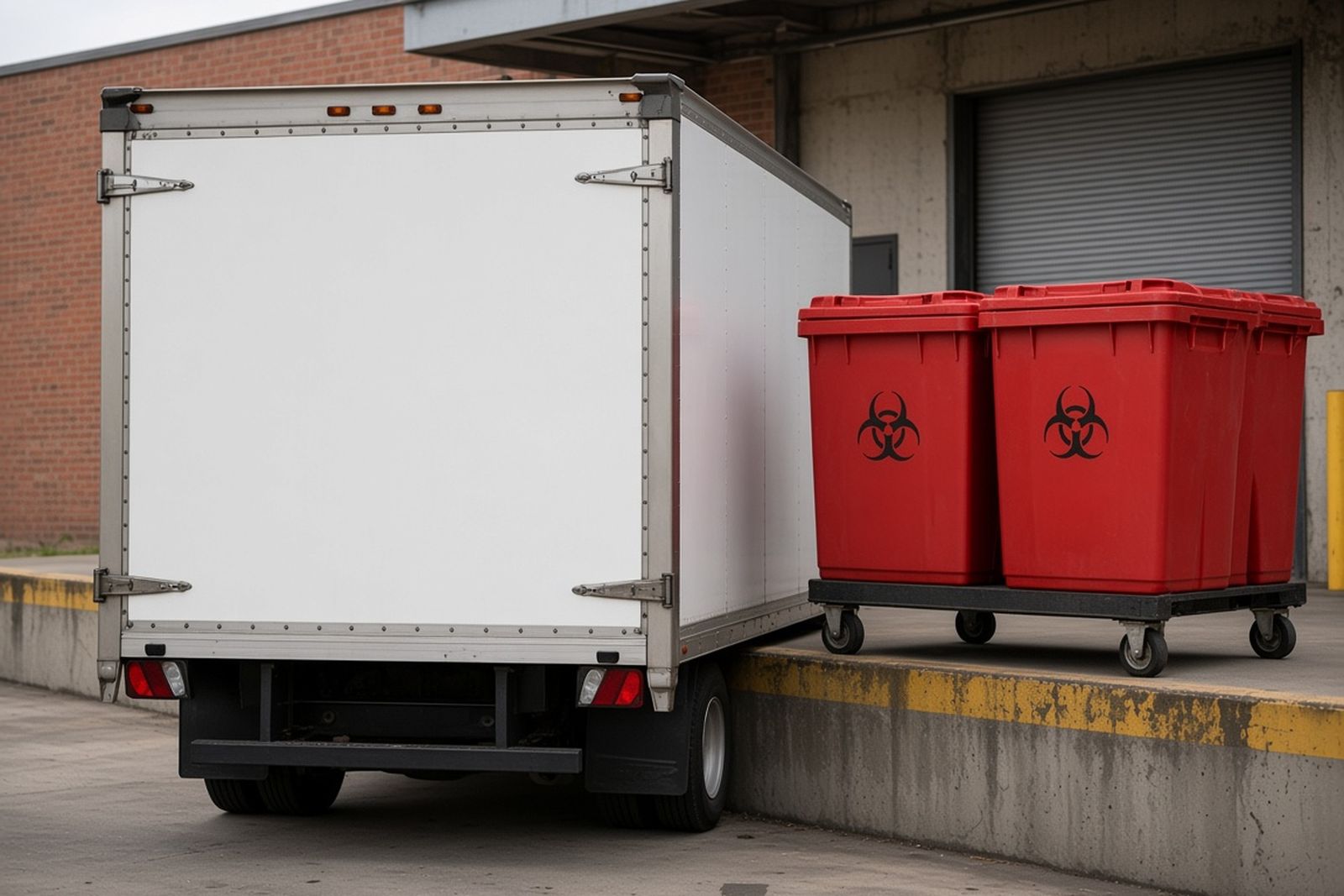
Test what you know about who is responsible, container rules, shipping records, and proof of treatment. Then review the study guide for anything you missed.
Read practical articles on storage limits, mail-back programs, rejected loads, and building a waste file that holds up to an inspection or insurer audit.