Short answer
For most people and businesses, biohazard waste should be moved by a licensed transporter. Households can often use approved sharps disposal programs for home-generated sharps, and some states allow small generators to self-transport under registration and packaging rules. Hauling regulated medical waste in a personal vehicle without meeting those rules can create exposure risks, penalties, and liability. Check your state before moving anything.
Is it ever legal to transport biohazard waste myself?
Sometimes, depending on who you are and what the waste is. Medical waste transport is regulated mostly at the state level, so the answer changes as you cross state lines. Some states allow small generators to carry their own waste to a treatment site if they register and meet packaging and documentation rules. Others restrict transport to permitted haulers.
Texas offers one example of how this can work. The Texas Commission on Environmental Quality states in its 2025 guidance that generators of more than 50 pounds of untreated medical waste who self-transport must register, with annual fees from $100 to $500 based on volume. Other states handle this differently, and many do not allow it at all.
Home-generated sharps, such as insulin needles used by a household member, are often treated differently from business waste. Many areas offer mail-back programs, drop-off sites, or household hazardous waste events. Rules vary by state and county; verify with the local authority.
Where self-transport is allowed, it usually comes with conditions. You may need approved containers, a limit on how much you carry, a specific destination that agrees to accept the waste, and paperwork that travels with the load. Treat the permission as a narrow exception rather than a general green light.
Household waste vs regulated waste
Household medical waste comes from care provided at home, such as diabetic supplies, bandages, and home dialysis materials. Many states exempt some of it from the full medical waste rules, although sharps usually still need a puncture-resistant container.
Regulated medical waste generally comes from businesses and professional activities: clinics, labs, tattoo studios, funeral homes, and remediation companies after a biohazard cleanup. That waste carries stricter packaging, labeling, storage, and transport requirements.
The line can blur. If you hire a cleaning company after a death in your home, the waste they remove may be treated as regulated waste because a business generated it during professional work. Ask your provider how they classify and transport it.
Even household waste deserves care. A household exemption changes the paperwork, not the biology. Sharps still cut, and blood-soaked materials still carry whatever was in the blood, so packaging and storage matter regardless of which rules apply.
Where DIY handling goes wrong
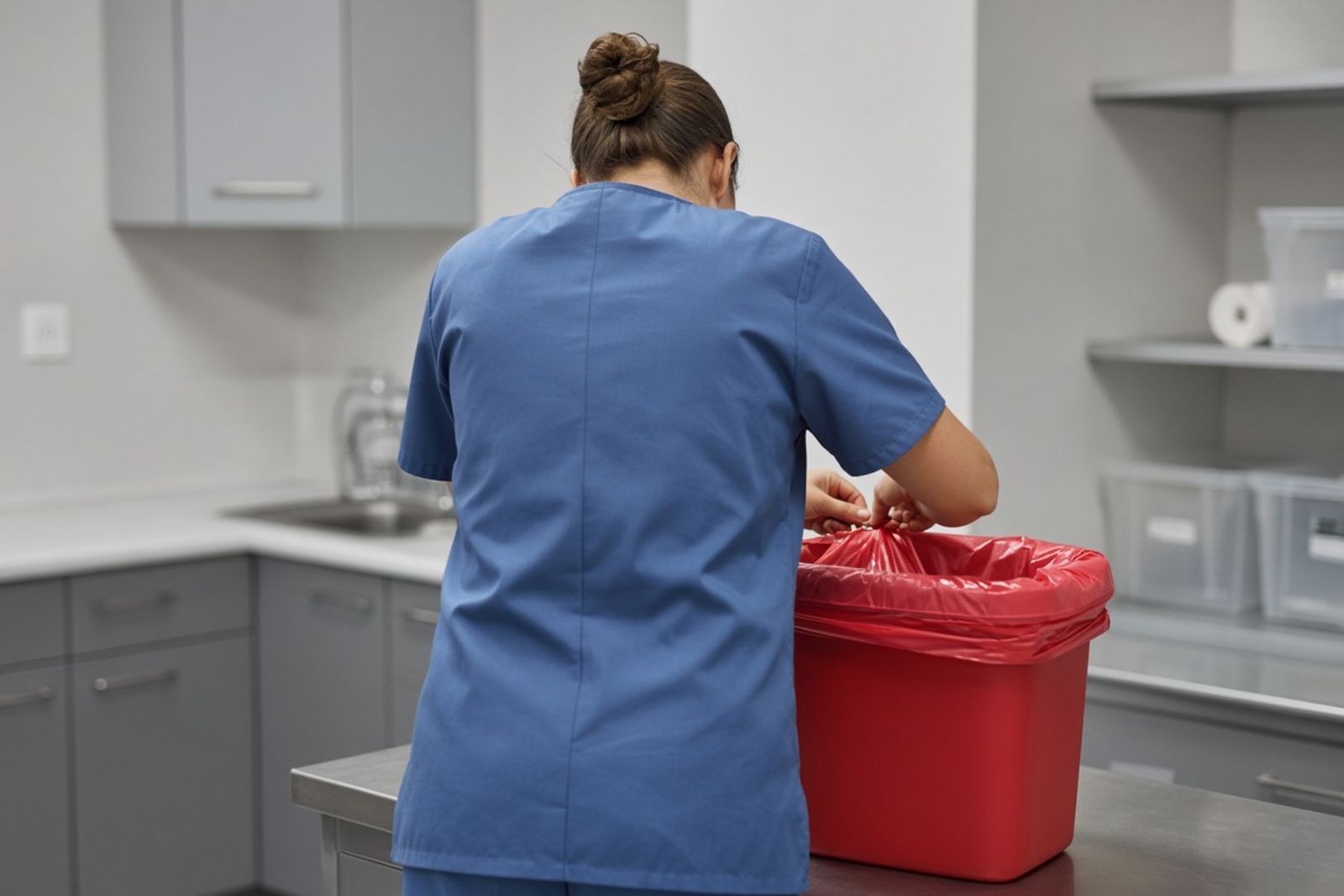
The most common problem is improper packaging. Needles go into soda bottles or loose into trash bags. Blood-soaked materials go into thin kitchen bags that tear. Liquids are sealed in containers that leak when tipped.
Studies of home sharps disposal show how often this happens. Charbonneau and colleagues reported in 2022 that 25.8% of people with diabetes in a community care clinic discarded sharps without a designated sharps container. Every loose needle in household trash is a potential injury for a family member, sanitation worker, or recycling sorter.
Transport itself adds risk. Boxes slide in a car trunk, bags split when lifted, and a crash can scatter waste across a roadway. Without a spill kit and training, a driver has no good way to contain the mess.
People also underestimate how much a single cleanup generates. A bedroom after an unattended death, for example, may produce a mattress, carpet and pad, drywall sections, and many bags of used protective equipment. That volume does not fit safely in a passenger vehicle, and most treatment facilities will not accept it from an unregistered driver.
- Sharps in soft containers that can be pierced
- Thin bags that tear under weight
- Liquids packed without absorbent
- Waste riding loose in a passenger compartment
- No documentation of where the waste went
What licensed transporters do differently
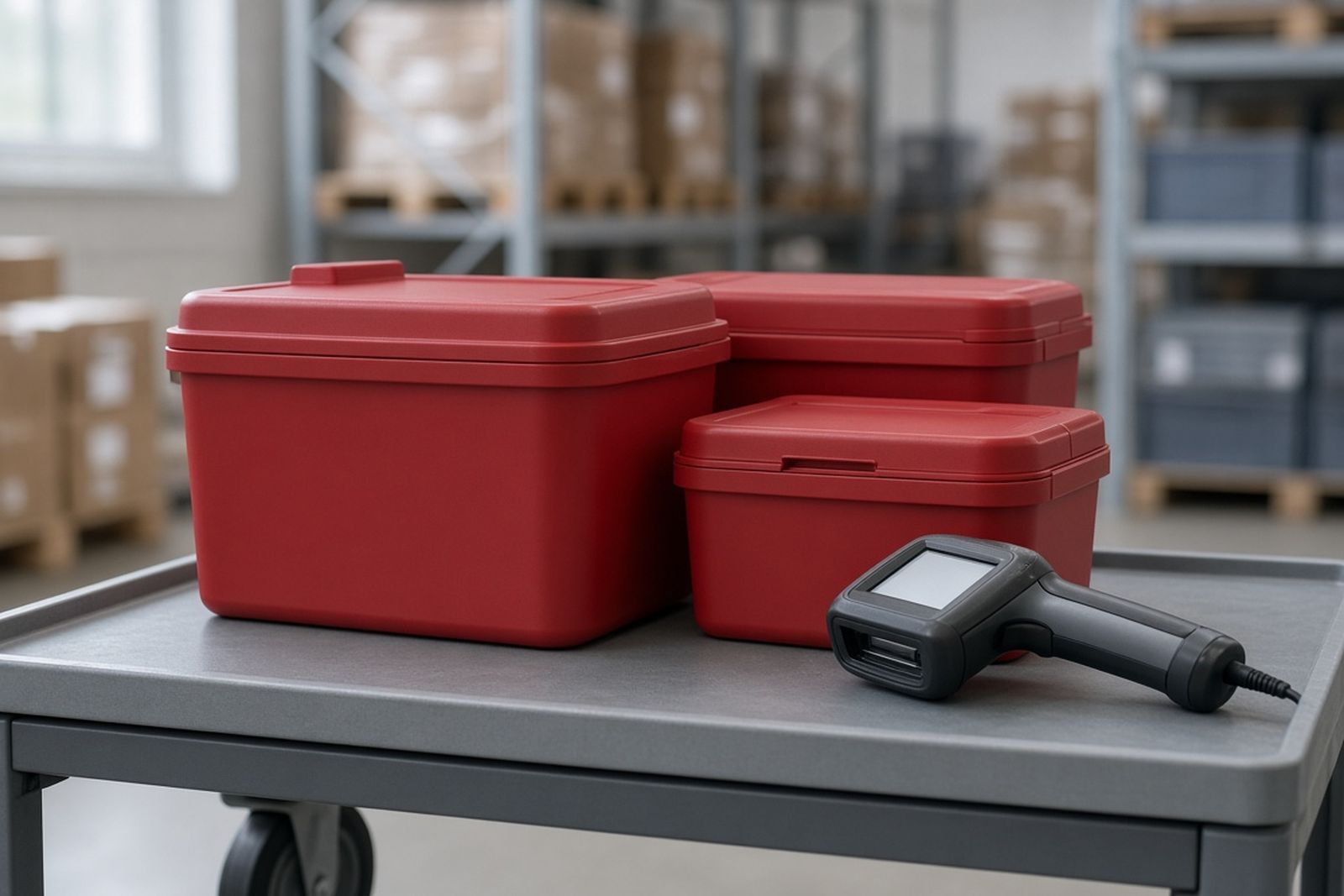
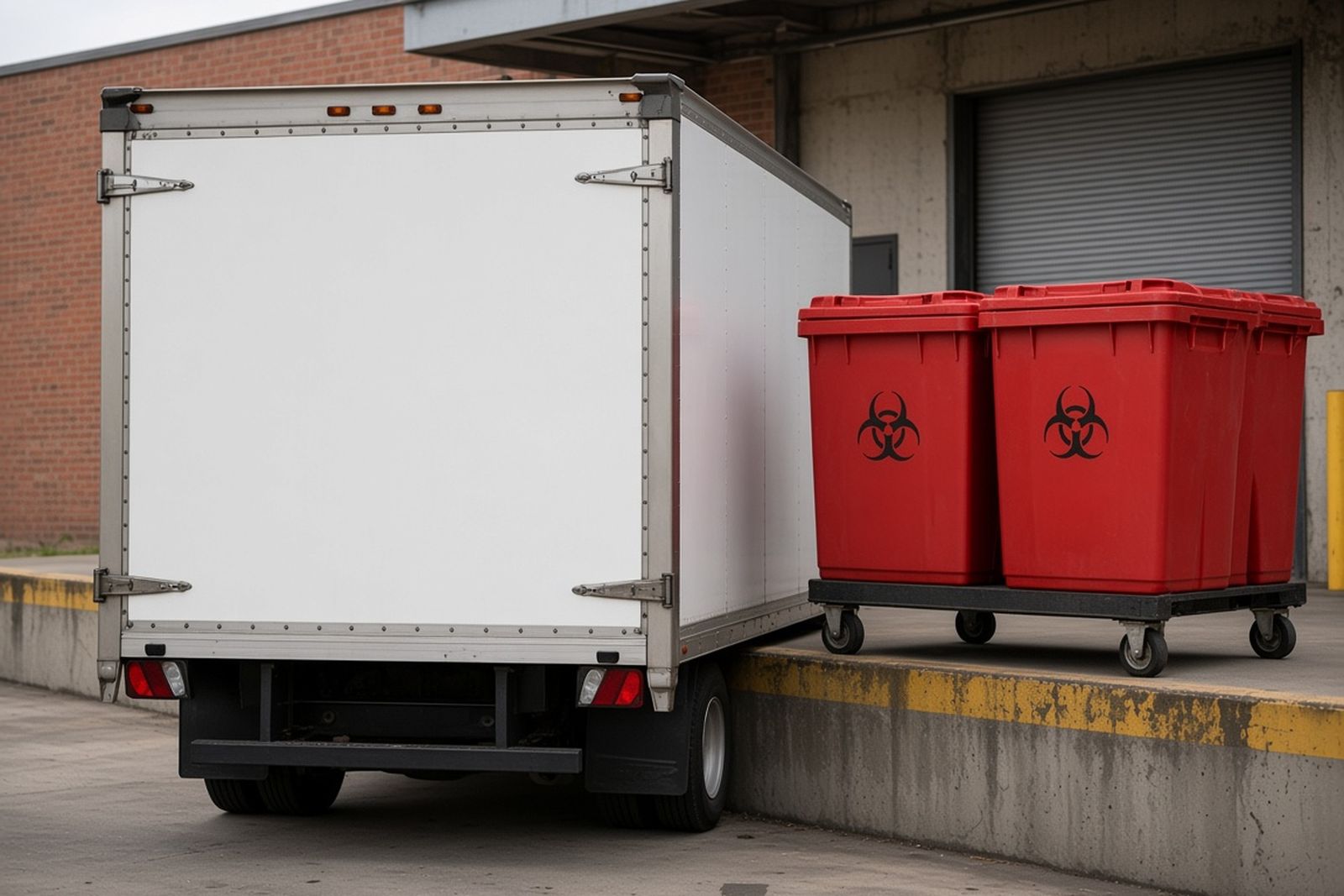
Licensed transporters use packaging designed and tested for regulated waste, including rated bags, rigid boxes or carts, and puncture-resistant sharps containers. They know the fill limits, labeling rules, and when absorbent is needed.
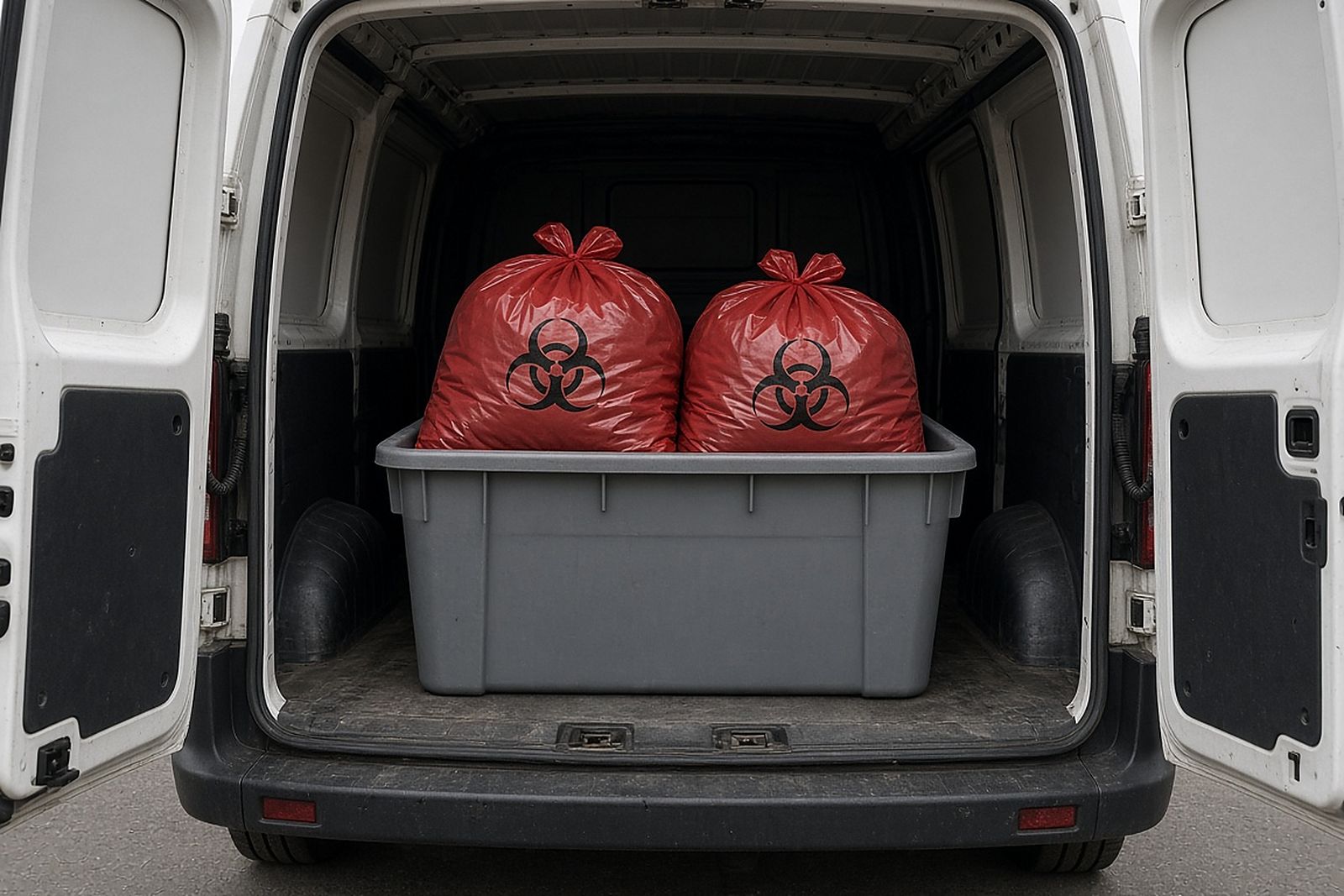
Their vehicles have enclosed, cleanable cargo areas separated from the driver, with securement to keep loads upright. Drivers carry spill kits and emergency information and are trained to respond if something leaks.
Transporters also deliver waste to permitted treatment facilities and provide tracking records. That paperwork shows your waste reached its destination, which can matter for compliance, audits, and your own peace of mind.
They also know which facility can accept which waste. Pathological material, trace chemotherapy waste, and some pharmaceuticals must go to specific kinds of treatment. A licensed hauler routes each stream correctly, while a well-meaning individual might arrive at a facility that turns the load away.
Why does training matter so much?
Federal hazmat rules require training for anyone who prepares or transports regulated materials in commerce. Training covers packaging, labeling, documentation, safety, and emergency response.
The penalties for getting it wrong are significant. Federal hazmat transport rules set civil penalties for knowing violations, with higher ceilings when someone is killed or seriously hurt, and training violations carry their own minimum penalty.
Those penalties are aimed at commercial transport, not a household dropping off a sharps container. But they show how seriously regulators treat packaging and training, and why businesses rarely attempt to self-haul without a clear plan.
Training also protects the person doing the work. Knowing how to lift a box without pressing it against your body, how to spot a leaking container before loading it, and what to do after a needlestick can prevent an injury that no paperwork will undo.
Can a remediation company handle transport for me?
Often, yes. Most biohazard cleanup companies either hold transporter permits or partner with licensed haulers. When they finish a job, they package the waste, arrange pickup, and provide documentation.
Ask before work begins how waste will be handled and whether the price includes transport and treatment. You should never be left with bags of contaminated materials to deal with yourself.
If a provider suggests putting contaminated carpet, mattresses, or drywall in your household trash or a dumpster, ask why. Some materials may be permitted as ordinary waste after treatment in certain places, but that decision should follow local rules, not convenience.
Ask to see the transport documents at the end of the job. A copy of the manifest or tracking form confirms that the waste left your property with a licensed carrier and gives you a record if anyone asks later.
Three calls before a small business self-hauls
Small businesses are the group most tempted to cut out the hauler. A studio or practice that produces only occasional blood-stained gauze or single-use lancets may reason that a closet and a drive across town every few months will do. Three phone calls usually settle whether that plan holds up.
First, call the state health or environmental agency. Ask whether your business counts as a generator, what storage time and packaging rules apply, and whether self-transport would require registration and specific containers. Second, call the place you planned to drive to. Many facilities, including hospitals, do not accept waste from outside generators, and a load that is turned away leaves you with the same boxes and a longer drive home.
Third, call a licensed hauler and ask about small-generator plans. These often include a wall-mounted sharps container, a rated box and liner, a pickup schedule sized to your volume, and a tracking record at each pickup that you can file in case of an inspection. The hauler can also explain how to package between pickups: gauze into the lined box, lancets straight into the sharps container, lids closed at the end of each day, and the box kept in a locked cabinet away from clients.
A plan like that costs more than a drive across town, but it settles storage, packaging, and liability questions a small owner rarely has time to research.
Options for small amounts
For household sharps, look into mail-back programs, pharmacy or hospital drop-off sites, and household hazardous waste collection events. Many local health departments list options on their websites.
For small businesses, ask haulers about low-volume or on-call plans. Some offer mail-back boxes for regulated waste that meet transport requirements when packed correctly.
For one-time events, such as a cleanup after a death or injury at a rental property, let the remediation company handle transport. Moving that waste correctly is included in the work you hired them to do.
How do I decide between DIY and professional transport?
Start with three questions. Is the waste from a household or a business? Does your state allow self-transport for your situation? Can you meet the packaging, storage, and documentation rules without guesswork?
If the answer to any of those is uncertain, use a licensed transporter or a program designed for your type of waste. Keep containers closed and away from children and pets until they are collected, and never compress bags or reach into a sharps container.
When in doubt, a phone call to your state health or environmental agency, or to a licensed hauler, costs nothing and settles the question. Describe what the waste is, how much you have, and where it came from, and ask what options apply to you. That conversation is far easier than explaining a torn bag in a parking lot or a needle in a recycling bin later.