Short answer
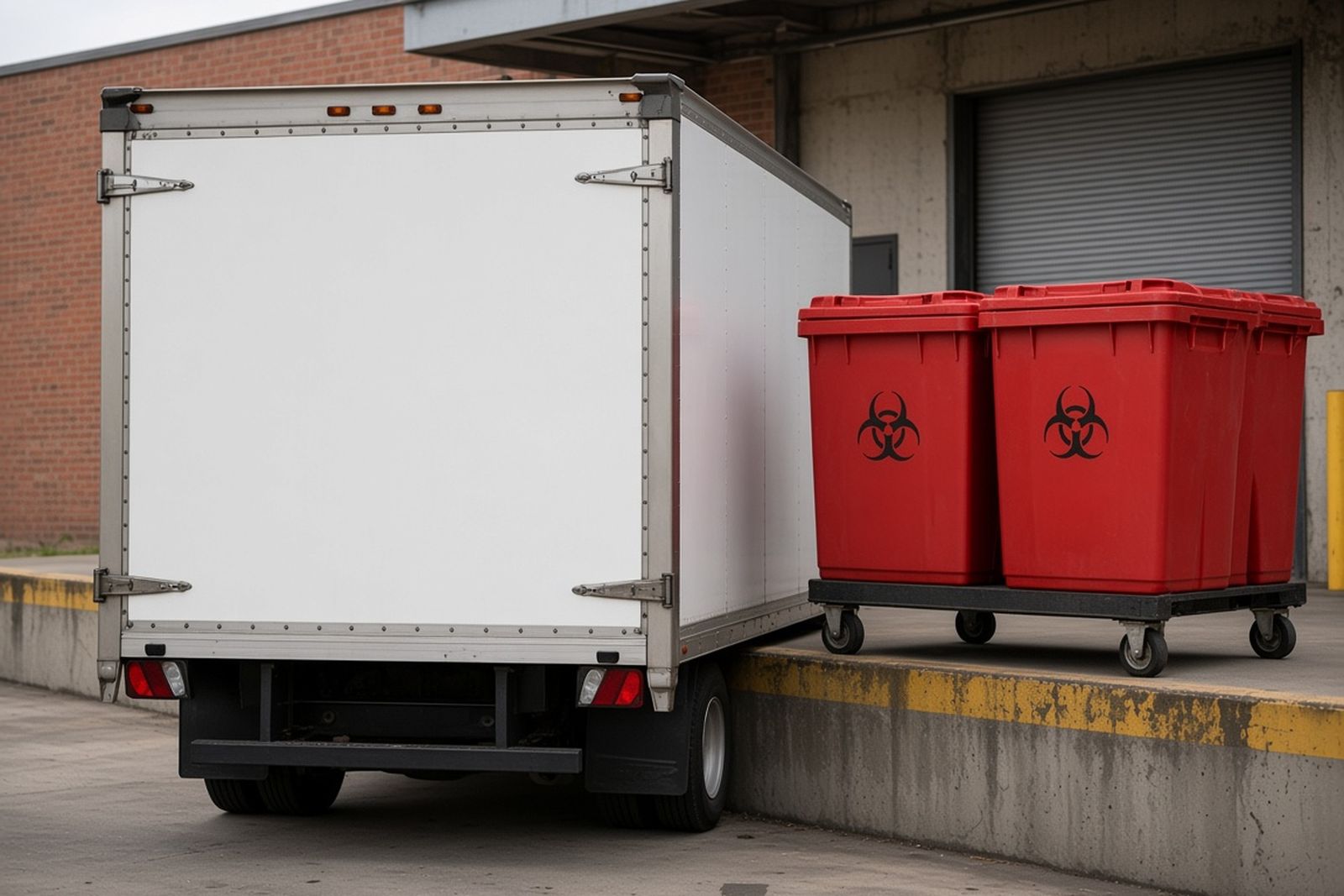
Commercial generators such as clinics, labs, studios, and cleanup companies usually need a registered hauler, approved containers, scheduled pickups, and tracking records for each shipment. Households producing sharps or home care waste often fall under separate household rules and use mail-back programs, pharmacy kiosks, or drop-off sites. Who produced the waste, and why, decides the path.
Why the commercial-residential line matters
The same used syringe can fall under different rules depending on who produced it. A needle used by a nurse in a clinic is typically regulated medical waste from a business generator. A needle used by a person managing their own diabetes at home is often treated as household waste under state rules, even though the physical hazard is identical.
That distinction decides who pays, which containers are required, whether a registered transporter must haul it, and what records must exist afterward. Getting it wrong in either direction causes problems. A business that treats its waste as household trash can face enforcement. A household that assumes it needs a commercial contract may pay for a service it does not need, or give up and throw sharps in the trash.
This article compares the two paths and explains the gray areas where they meet.
Commercial transport: contracts, containers, tracking
Commercial generators range from hospitals to single-chair practices. Dental offices, veterinary clinics, urgent care centers, labs, tattoo studios, funeral homes, research facilities, and biohazard cleanup companies all generate regulated medical waste in the course of business.
The market is dominated by small customers. Stericycle, then the largest U.S. medical waste hauler, reported in its 2009 annual filing with the SEC about 459,200 customers, including 11,300 large-quantity and 447,900 small-quantity generators. The typical commercial relationship is a small office with a modest, steady waste stream rather than a hospital.
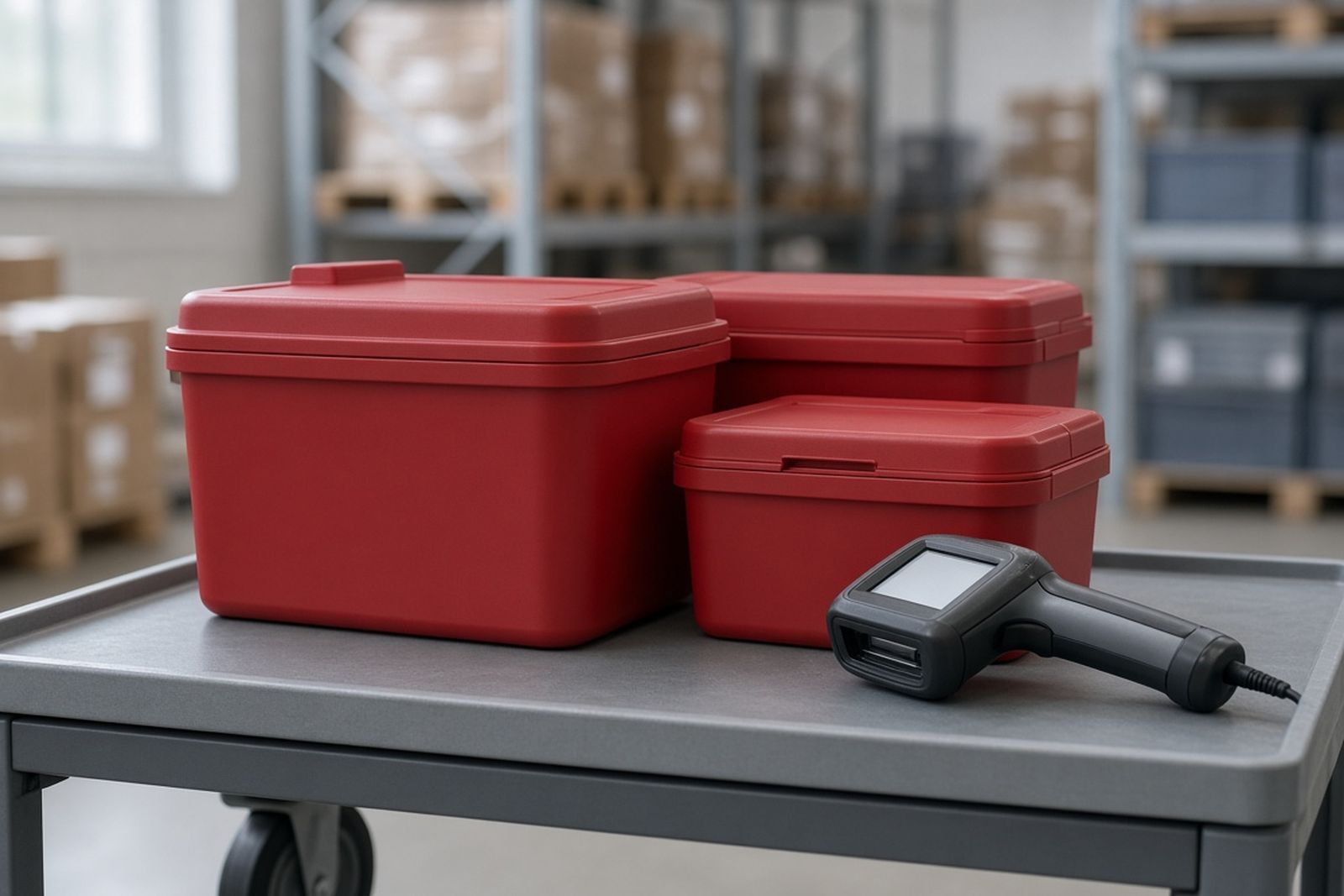
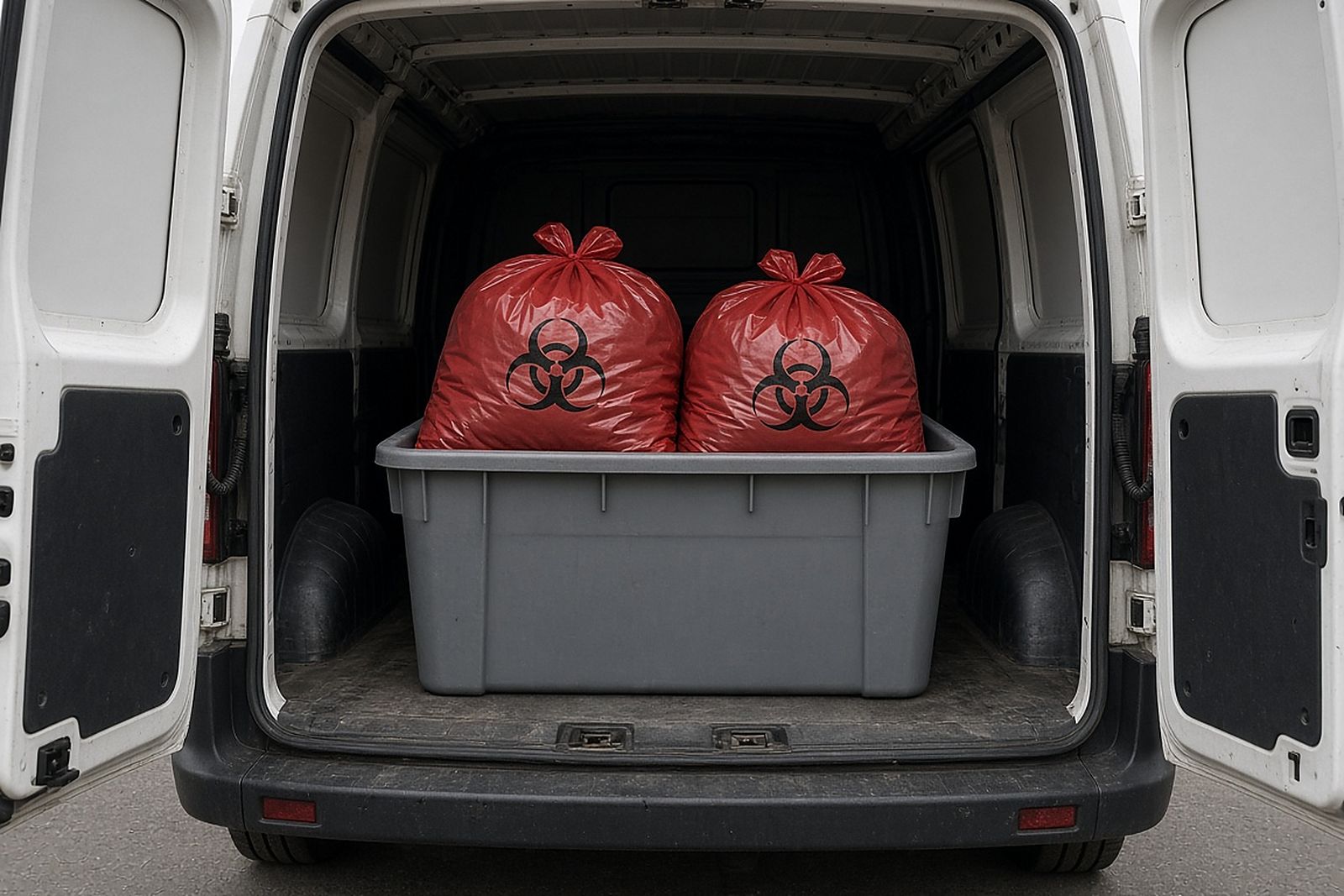
For those customers, service usually follows a pattern: a written agreement, hauler-supplied containers, a pickup schedule matched to volume and storage rules, a shipping paper or tracking form at each pickup, and confirmation of treatment afterward.
- State registration or permit for the hauler, and sometimes for the generator
- Containers that meet federal packaging and labeling rules
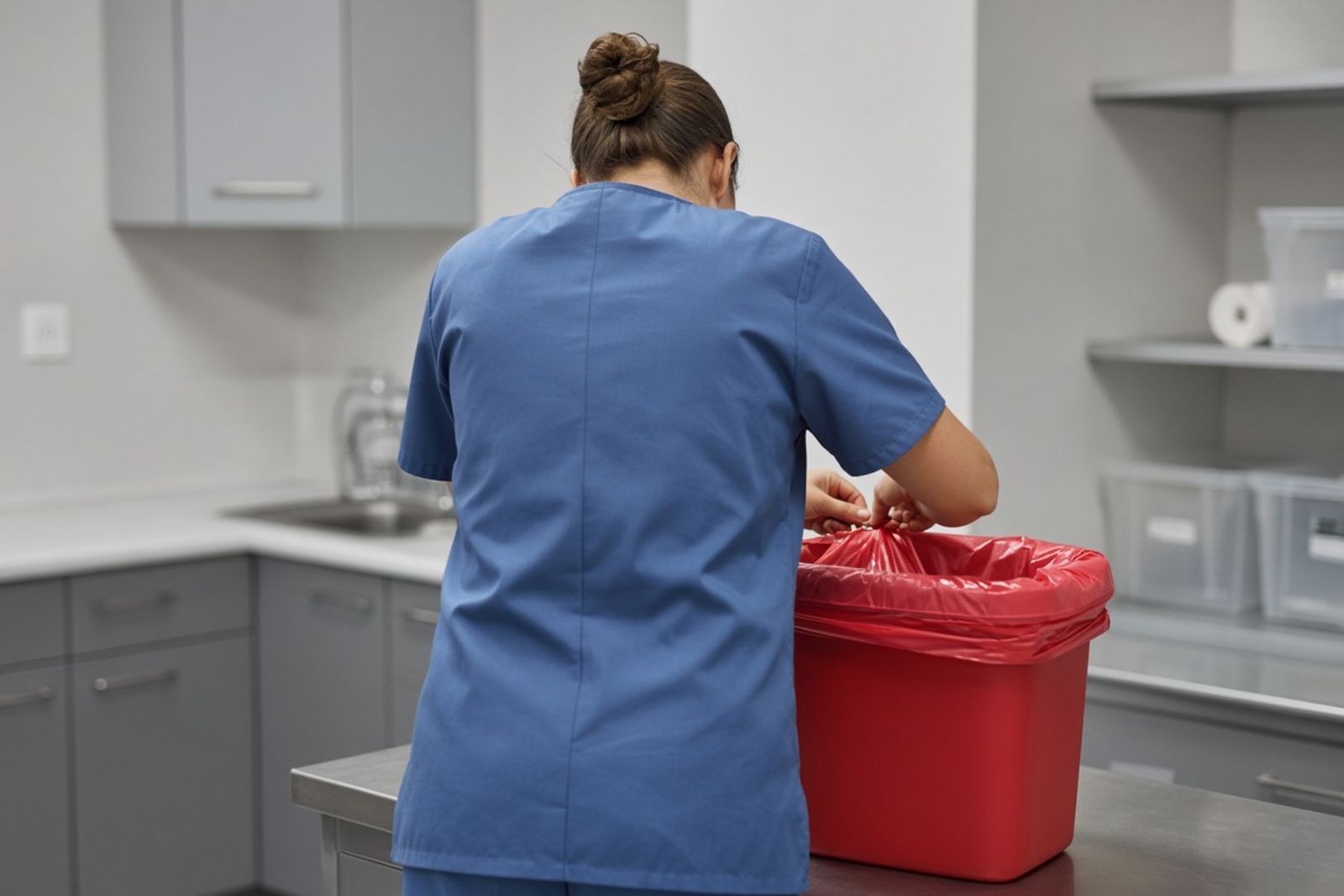
- Trained staff who segregate, package, and sign for waste
- Scheduled pickups tied to storage time limits
- Tracking records kept for the period your state requires
What options do households have?
People managing diabetes, fertility treatments, arthritis, multiple sclerosis, or other conditions at home produce sharps every week. Families caring for someone at home may also have soiled dressings and other supplies. For these households, a commercial hauler contract is rarely the path.
Common options include mail-back programs, where you fill a certified container and ship it in prepaid packaging; pharmacy or hospital kiosks; community drop-off sites run by health departments or waste agencies; and household hazardous waste events. Some areas allow sealed, labeled heavy plastic containers in household trash; others prohibit it.
Many people already use these programs. In a 2022 study at a community care clinic, Charbonneau et al. found that 37.1% of people with diabetes reported taking sharps containers to disposal facilities. The rest used other methods, some safe and some not, which is why local health departments often publish clear household guidance.
Where do the two categories blur?
The gray zone is where a business works inside a home. A home health agency's nurse who gives an injection may be expected to take the sharp back under the agency's program. A hospice provider may handle some supplies and leave others for the family. Rules and agency policies differ, so ask the provider directly what it will remove.
Biohazard cleanup is another crossover. When a professional company cleans a home after a death, injury, or hoarding situation, the waste it packages is typically treated as generated by that business, not by the household. The company arranges transport through a registered hauler and should give the homeowner or family a copy of relevant records if asked.
Home-based businesses also blur the line. A mobile phlebotomist, a home tattoo studio, or a veterinarian who makes house calls is a commercial generator even when the work happens in someone's living room.
Costs, contracts, and records
Commercial service is priced around pickups, container types, volume or weight, and paperwork. Contracts may include minimum terms, fuel surcharges, and fees for extra containers. Reading the agreement carefully, especially renewal and cancellation terms, is part of managing a small practice.
Household options usually cost less per container, and some are free through local programs or manufacturer take-back offerings. Mail-back kits carry a fixed price that includes the container and return shipping.
For either path, the cheapest option is not always the right one. A business that skips a registered hauler to save money takes on legal risk. A household that skips proper containers to save a few dollars puts sanitation workers at risk.
If you are a small commercial generator, it can be worth asking whether your hauler offers a mail-back option for very low volumes. Some businesses produce only a handful of sharps each month, and a mail-back program that meets commercial rules in your state may fit better than a scheduled truck stop. Confirm with your state agency that the option is acceptable for business waste before you switch.
Records are one of the clearest dividing lines. Commercial generators are generally expected to keep shipping papers, tracking forms, and treatment confirmations for a period set by state rules, and to produce them during an inspection.
Households are rarely asked for records. Still, keeping a mail-back receipt or a note of drop-off dates can help if a landlord, home care agency, or building manager asks how sharps are handled.
If a cleanup company handled waste from your home, it is reasonable to ask for a copy of the disposal record for your own files. That document shows the material left the property through a proper channel.
Common mistakes on each side
Businesses tend to make paperwork and packaging mistakes. A small office lets a hauler agreement lapse during a staff change and keeps filling boxes with no pickup scheduled. A studio overfills sharps containers because the next pickup is two weeks away. A cleanup company hands boxes to a driver without checking the registration of the subcontracted hauler. Each of these is fixable with a calendar reminder, a spare container, and a phone call to the state agency.
Households tend to make container and routing mistakes. Loose lancets go into a kitchen trash bag. A laundry detergent bottle serves as a sharps container but is not labeled, so the person who finds it does not know what is inside. Full containers go into curbside recycling, which sends them to sorting lines where workers pick through material by hand.
Both groups share one habit worth breaking: assuming someone else will sort it out later. Waste moves through many hands after it leaves you, and the safest point to get it right is before it leaves.
- Business: lapsed service agreements and missed pickups
- Business: overfilled or improperly closed containers
- Business: not verifying a subcontracted hauler
- Household: loose sharps in regular trash
- Household: unlabeled homemade containers or sharps in recycling
Two neighbors, two paths
Here is an illustration built for this article: two neighbors on the same street. One is a retired teacher who uses insulin pens and a glucose meter every day. The other runs a small in-home pet grooming business and recently added vaccinations with a visiting veterinarian two days a month.
The teacher fills a puncture-resistant container from her pharmacy, checks her county health department's website, and learns that a drop-off site at the fire station accepts sealed containers. She drops one off every few months. No contract, no tracking form, and no fee beyond the container.
The groomer assumes the same approach works for her business. When she asks the veterinarian, she learns that because the vaccinations are part of a business, the sharps are the veterinarian's regulated waste, and the veterinarian's practice takes them back under its own commercial hauler agreement. The groomer's own role is to provide a safe spot for the vet's sharps container during visits.
Same street, same kind of needle, two different paths. The deciding question in each case was who generated the waste and in what capacity.
How can I tell which category applies to me?
Ask three questions. Was the waste produced as part of a business, profession, or paid service? Was it produced by a licensed provider, even if in a home? Is there a contract, agency, or program that already covers its disposal? A yes to any of the first two usually points toward commercial rules.
If you are still unsure, call your state health or environmental agency, or your county solid waste office. They answer these questions often and can point you to local programs.
Whichever category you fall into, the underlying goal is the same: get used sharps and infectious materials into containers that protect the next person who handles them, and send them somewhere equipped to treat them.