Biohazard Waste Transport: Health & Wellness
Privacy, decision-load, trauma-aware communication, and verified support resources for people managing biohazard waste transport. Educational remediation content is not mental-health treatment.
Health and wellness posts think about the people behind a waste program. They discuss the stress office managers feel when pickups are missed and storage fills. They discuss the worry staff feel after a needlestick. They also discuss the strain on homeowners who must live with sealed boxes in the garage after a painful cleanup. Other posts point to mental health help for workers and families. They suggest ways to reduce disruption, such as clear routines and realistic pickup schedules. Some posts also address the emotional toll on waste handlers and drivers who see hard scenes.
Get an email reply about biohazard waste transport
Send a short message to the follow-up inbox. A coordinator can reply by email. This form does not send emergency help; call 911 first if anyone is in danger.
This topic matters because waste tasks can quietly add pressure to situations that are already hard. A clinic worker who fears an exposure deserves quick medical care and support, not blame. A family waiting for the last boxes to leave a loved one's home may find each delay painful. Seeing these effects helps managers speak more kindly, schedule pickups sensibly, and connect people with help when they need it. These posts also urge managers to check in with staff after an incident. They suggest treating questions about waste safety as welcome, not as complaints. In a workplace where people feel safe raising concerns, packing mistakes tend to get caught early. That protects everyone from both injury and worry.

Managing Stress and Disruption During Biohazard Waste Transport
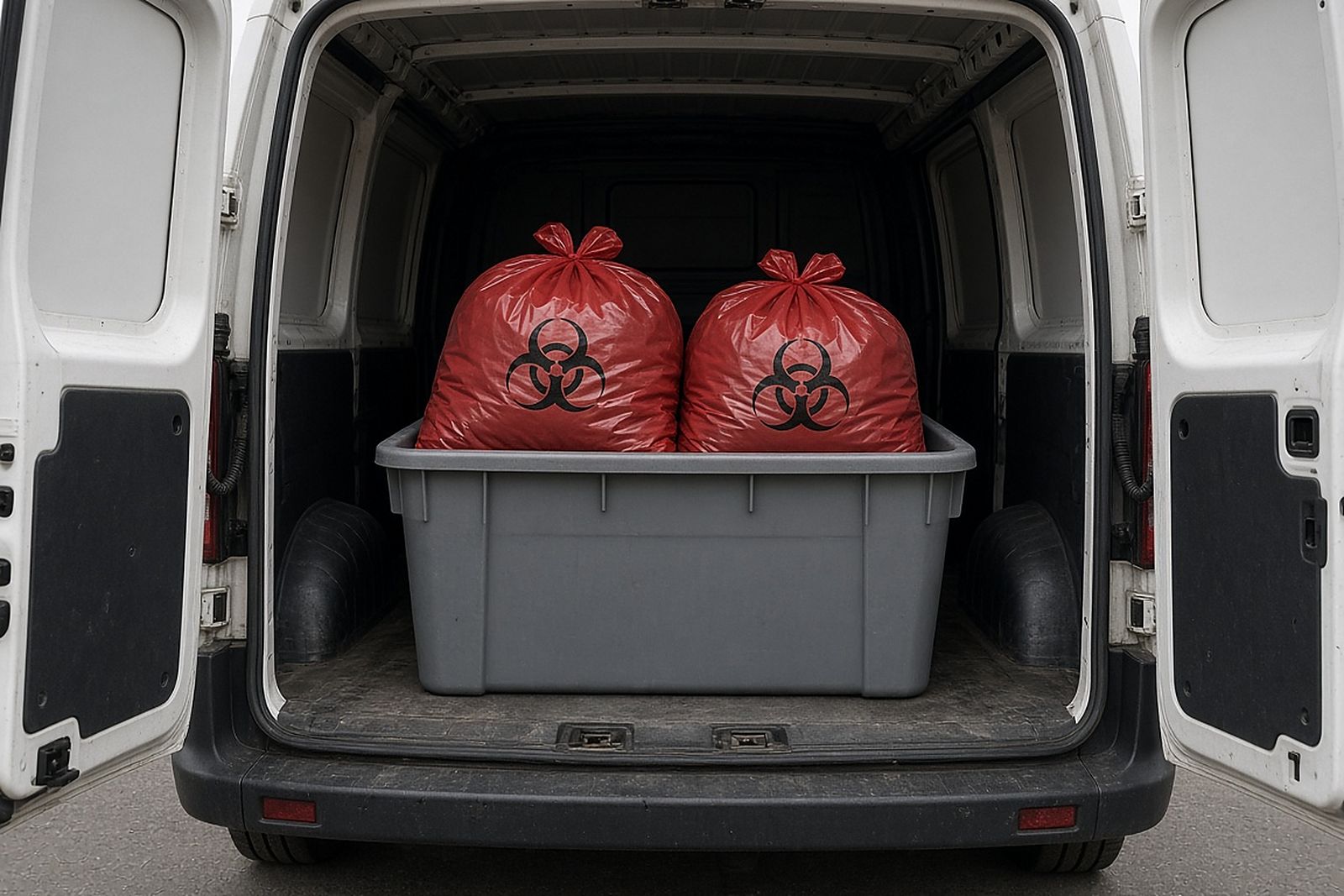
Red boxes by the door, a marked truck in the driveway, compliance worries: waste pickup can feel stressful. Here is how to keep it private and predictable.
Having biohazard waste stored and picked up at your home or business can raise worries about privacy, neighbors, safety, and compliance. You can ease that stress by setting a predictable pickup schedule, choosing a discreet storage spot, asking about low-profile service where rules allow, understanding your paperwork, and letting a trained hauler handle anything that feels unsafe.
Mental Health Resources During Biohazard Waste Transport
Seeing a loved one's belongings leave in biohazard boxes, or waiting on results after a needlestick, is hard. Here is where families and workers find support.
Medical waste removal can be emotionally heavy, especially for families after a death at home and for workers after a needlestick or a difficult pickup. Support options include employee assistance programs, occupational health follow-up, grief counselors, peer support, and crisis lines such as the 988 Suicide and Crisis Lifeline. Asking your cleanup company or hauler to explain each step can also ease distress.
Sourced figures on health & wellness
- 13%
13% of reported used syringes were improperly disposed of in San Francisco versus 95% in Miami.
Read with care: Cities differ in many ways; Miami baseline overlaps S062.
Source: Tookes et al. (2012)San Francisco and Miami selected-neighbourhood walkthroughs; 602 and 448 interviewees respectively.
- 78%
78% had noticed a public syringe-disposal box.
Read with care: Selected neighbourhood; disposal-box users are not necessarily people who inject drugs.
Source: Roth et al. (2021)358 residents and 78 business respondents in Kensington, Philadelphia.
- 0.613
Adjusted risk of improper disposal was lower after implementation (aRR 0.613; 95% CI 0.546–0.689).
Read with care: Selected drug-affected areas; secular changes possible; baseline overlaps S063.
Source: Levine et al. (2019)Miami neighbourhood walkthroughs plus 448 pre-programme and 482 post-programme survey respondents.
These figures are public research and agency data, not this network's own job records. Keep each number with its population, year and limits; none of them predicts cost, timing or outcome at a specific property.
What research has found
Findings from published studies of people and properties in situations like this one. They describe what researchers observed in a specific group; they are not predictions for your case.
Unstably housed respondents had higher adjusted odds of using the boxes.
Breaking used needles was associated with higher adjusted odds of injury.
Health & Wellness: common questions
What should a worker do after a needlestick from a waste container?
Wash the area with soap and water. Report the injury to a supervisor right away. Get a medical check quickly, so a clinician can assess the exposure and discuss follow-up care. Employers covered by the OSHA blood safety rule should have a set of steps for after an exposure. Reassure the worker that reporting is the right thing to do.
How can a small office reduce stress around waste pickups?
Assign one person to manage containers and paperwork, with a trained backup. Keep a simple calendar of pickups and a checklist for packing boxes. Schedule service often enough that storage never feels crowded. Clear routines cut down on last-minute scrambling. They also help staff feel sure they are doing the job right.
Where can a family find support while waiting for waste removal after a cleanup?
Talk with the cleanup contractor about a firm pickup date, so the boxes do not linger. For emotional support, a doctor, grief counselor, faith community, or victim services office can help. If the cleanup followed a death by suicide, the Suicide and Crisis Lifeline is there by call or text at 988 for anyone who needs it.
What signs suggest a waste coordinator is feeling overwhelmed?
Watch for missed follow-ups, frustration at routine tasks, or working late to catch up on records. Another sign is not wanting to take time off because no one else knows the system. These often mean too much rests on one person. Check in privately. Share the load by training a backup, and simplify routines where you can. Support early prevents burnout later.
How can we keep waste duties from falling on one person alone?
Train at least one backup for every waste task, from swapping containers to signing shipping papers and filing records. Rotate some tasks so knowledge spreads. Recognize the work openly, since no one tends to notice it when it is done well. A shared written procedure and checklist mean anyone can step in. That eases the pressure on the main coordinator.
How can we talk about exposure risks without scaring new staff?
Be honest and practical. Explain the real risks. Then focus on the simple habits that prevent most injuries, and the support that is available if something happens. Show where supplies are kept and how to report a problem. Invite questions, and make clear that reporting is expected, not punished. Staff who feel prepared tend to feel calmer and work more safely.
How can a family handle paperwork that arrives after a cleanup?
Treatment confirmations or bills can arrive weeks later and bring back painful memories. If you can, ask a trusted friend or relative to receive and file them for you. You can also ask the cleanup company to send papers to that person directly. Take the time you need. Reach out to a grief counselor or support group if reminders feel heavy.
Related community polls
Every count is a real visitor vote; nothing is seeded or padded. One vote per poll per device, and you can change your answer.
How does your business get medical waste off site now?
Which part of your waste program is most frustrating?
More on biohazard waste transport
Biohazard Waste Transport services
See how medical waste hauling works, from packing and shipping records to permitted treatment, before you sign with a hauler.
Costs explained
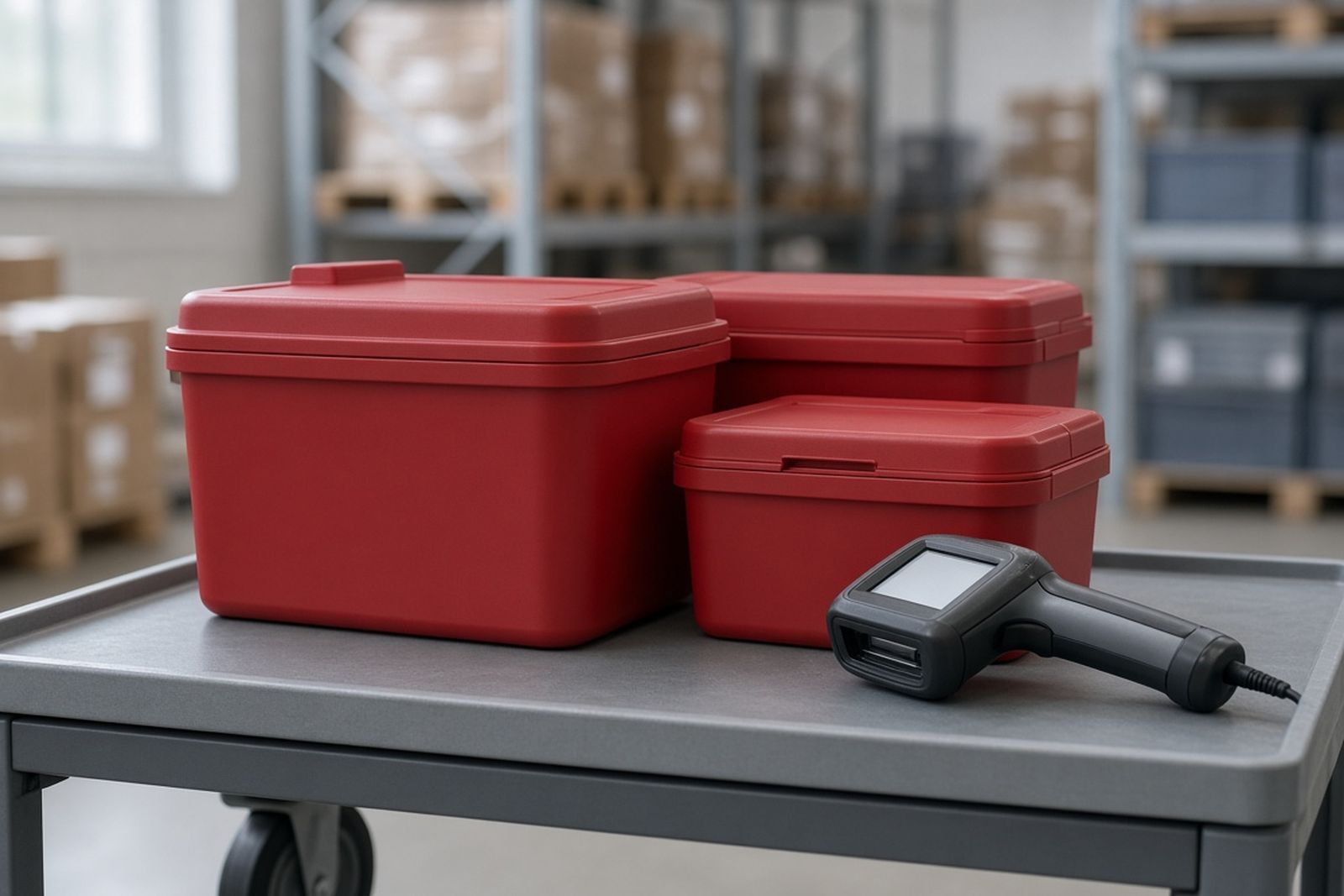
What drives the price, published cost ranges, and how to read a written quote line by line.
Insurance and payment
Which policies may respond, how to document a claim, and what to do if coverage is denied.
Planning tools
Use planners to estimate pickup costs, check haulers, sort waste, and organize records for your medical waste program before you commit.
Community polls
See how other clinics, studios, labs, and property owners handle pickup schedules, paperwork, and hauler choices. See where opinions differ from the written rules.
Knowledge quiz
Test what you know about who is responsible, container rules, shipping records, and proof of treatment. Then review the study guide for anything you missed.