Biohazard Waste Transport: Costs & Insurance
Decision-focused information about biohazard waste transport scope variables, estimate comparison, documentation, and policy questions. Coverage depends on the triggering peril, policy language, limits, exclusions, deductible, and carrier review.
Posts in this category break down what affects the price of biohazard waste hauling. They also cover how insurance may respond when something goes wrong. They explain how a quote is shaped by pickup frequency, container types, and waste volume. Special types of waste, such as sharps or body tissue, also affect it, as does the distance to a treatment site. Other posts compare flat-rate route service with per-box pricing and mail-back programs. They explain how to judge low and high bids that seem to describe the same service. Some posts also discuss who pays when a leak inside a building is traced back to a hauler's damaged container.
Get an email reply about biohazard waste transport
Send a short message to the follow-up inbox. A coordinator can reply by email. This form does not send emergency help; call 911 first if anyone is in danger.
This topic matters because waste contracts often carry hidden charges. Examples are container rental, fuel surcharges, minimum pickup fees, or fees for refused boxes. Knowing how pricing works helps you choose a service level that fits your real volume. Then you do not pay for pickups you do not need. When a leak or spill damages your space, knowing which policy might apply and what papers to gather can make a claim smoother. These posts also cover practical steps. You can check invoices against pickup logs and question surcharges that show up without explanation. You can also review auto-renewal clauses before a contract rolls over. A little attention each billing cycle can prevent a year of overpaying.

What Drives Biohazard Waste Transport Cost?
Medical waste hauling is priced by waste category, container type, pickup frequency, and treatment route. Learn what moves your transport bill and why.
Biohazard waste transport cost is driven by the category of waste, the number and type of containers, how often pickups happen, your distance from a treatment facility, and the contract terms around minimums and surcharges. Sorting well at the source is the most reliable way to lower the bill, because anything placed in a red bag is priced as regulated waste.
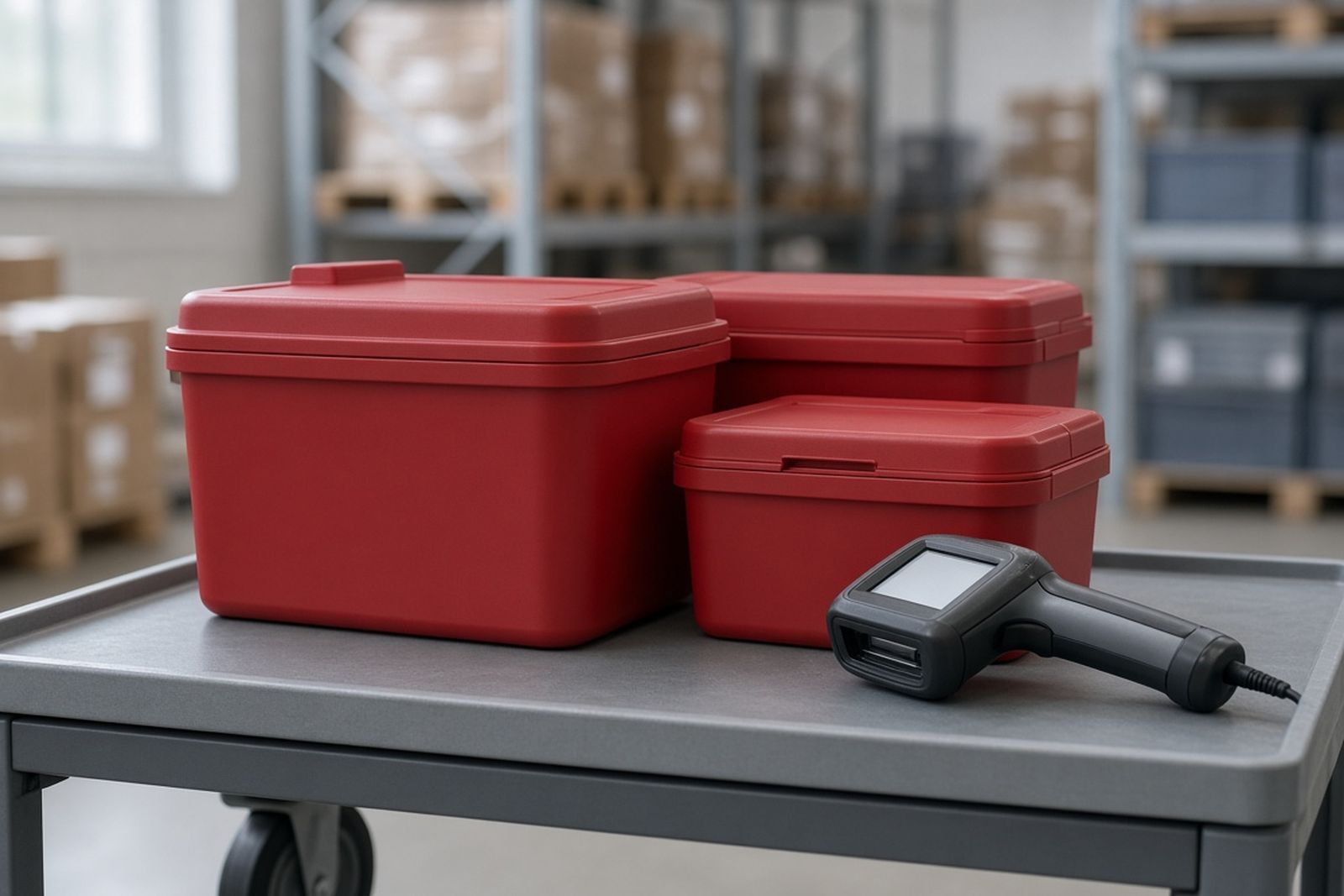
Does Homeowners Insurance Cover Biohazard Waste Transport?
Routine medical waste pickup is an operating cost, but hauling after a covered home loss may sit inside a claim. See where transport fits in each scenario.
Rarely on its own. Homeowners insurance does not pay for ongoing pickup of sharps or medical waste, because that is a routine cost of home care or running a practice. When a covered event such as a death or water loss requires remediation, the licensed transport and treatment of contaminated debris may be reviewed as one line of that larger cleanup claim.
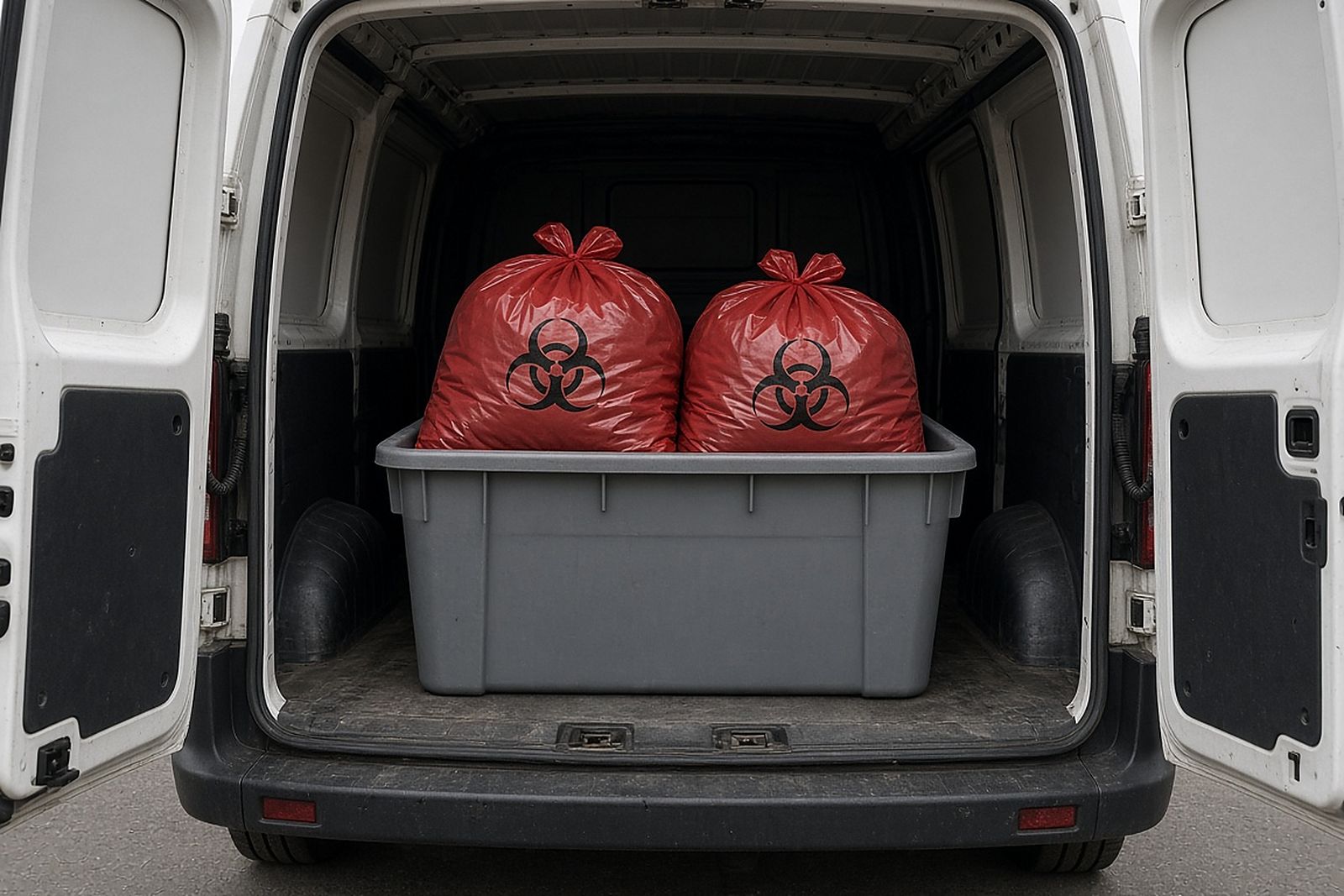
How to Compare Low and High Biohazard Waste Transport Bids
Medical waste hauling bids hide fees, auto-renewals, and container costs behind a monthly price. Learn how to line up low and high bids on the same terms.
To compare biohazard waste transport bids, convert each one to the same pickup frequency, container count, and contract term, then add every fee: containers, fuel and environmental surcharges, overweight or missed-pickup charges, and early termination. Confirm each hauler's permits, treatment destination, and documentation. A low bid is only a good deal if it covers the same service and leaves you with the same legal protection.
Sourced figures on costs & insurance
- 1,000 kg/month
Facilities generating 1,000 kg or more of hazardous waste per month are Large Quantity Generators and may accumulate waste on site for at most 90 days.
Read with care: RCRA thresholds apply to chemical hazardous waste, not to most regulated medical waste.
Source: EPA (2024)United States, RCRA hazardous waste generators
- 1991
The federal Medical Waste Tracking Act regulations expired on June 21, 1991, leaving medical waste primarily regulated by state environmental and health departments.
Read with care: EPA and DOT still regulate some aspects (e.g., transport, incinerator emissions).
Source: EPA (2024)United States, federal medical waste regulation history
- 90 days
New hazmat employees must complete required DOT training within 90 days of employment and may work only under direct supervision until then.
Read with care: Training covers general awareness, function-specific, safety and security awareness.
Source: DOT PHMSA (49 CFR via Cornell LII) (2024)United States, hazmat employees including medical waste transporters
These figures are public research and agency data, not this network's own job records. Keep each number with its population, year and limits; none of them predicts cost, timing or outcome at a specific property.
What research has found
Findings from published studies of people and properties in situations like this one. They describe what researchers observed in a specific group; they are not predictions for your case.
Five of those nine reported having received disposal training.
Cost and disposal inconvenience were reported barriers.
Costs & Insurance: common questions
Why does our waste bill change from month to month?
Bills can change with the number and type of containers picked up. Extra pickups, fuel surcharges, new containers, or fees for refused boxes can also change them. Some contracts include minimum charges too. Ask your hauler for an itemized bill. Compare it with your pickup logs and shipping records. Raise any mismatch quickly, while records are fresh.
Does commercial property insurance cover a waste leak in our office?
It may cover some property damage from a leak, depending on your policy wording and the cause. Insurers treat biohazard cleanup and lost business income in different ways. Review your policy and call your agent. Keep photos, shipping records, and your emails and letters with your hauler, in case the insurer asks who was responsible.
Is the cheapest transporter quote a good choice for a small practice?
It can be, if the company holds valid permits and uses a permitted treatment site. It should also give clear paperwork and show up reliably. A very low price that leaves out container supply, records, or treatment details may cost more later. Compare quotes line by line. Ask what fees might appear after you sign.
What waste costs should a remediation customer expect?
Hauling after a cleanup is usually billed as part of the cleanup bill. It is often charged by container, or with a trip charge for a one-time pickup. The amount depends on how much material was removed, the types of waste, and the distance to treatment. Ask the cleanup company to list hauling and disposal on their own line. Then you and any insurer can see just what it covers.
Could business interruption coverage apply if a waste problem closes our office?
Possibly, depending on your policy and the cause. Some policies cover lost income when a covered event forces you to close. But many exclude contamination or pollution. Before any problem arises, ask your agent how your policy would treat a leak or exposure that shut your doors. Keep records of closure dates and lost appointments in case a claim becomes possible.
Who pays when a hauler's error causes a problem at our site?
Usually the hauler is responsible for damage its equipment or drivers cause. But your contract and the facts decide. Record the problem with photos and notes. Tell the hauler in writing. Ask for a copy of its insurance certificate if you do not have one. Tell your own broker as well, so your interests are protected if the hauler disputes responsibility.
Should we budget for unexpected pickups?
Yes. Extra pickups after a busy period, a missed route, or a refused container are common enough that a small cushion avoids surprises. Look back over the past year to see how often extra stops happened and what they cost. Ask your hauler for its fee for unscheduled service and include it in your planning. Review the cushion at each renewal.
Related community polls
Every count is a real visitor vote; nothing is seeded or padded. One vote per poll per device, and you can change your answer.
How does your business get medical waste off site now?
Which part of your waste program is most frustrating?
More on biohazard waste transport
Biohazard Waste Transport services
See how medical waste hauling works, from packing and shipping records to permitted treatment, before you sign with a hauler.
Costs explained
What drives the price, published cost ranges, and how to read a written quote line by line.
Insurance and payment
Which policies may respond, how to document a claim, and what to do if coverage is denied.
Planning tools
Use planners to estimate pickup costs, check haulers, sort waste, and organize records for your medical waste program before you commit.
Community polls
See how other clinics, studios, labs, and property owners handle pickup schedules, paperwork, and hauler choices. See where opinions differ from the written rules.
Knowledge quiz
Test what you know about who is responsible, container rules, shipping records, and proof of treatment. Then review the study guide for anything you missed.