Biohazard Waste Transport: Choosing a Company
Evidence to request from biohazard waste transport providers: business identity, applicable training, insurance, scope assumptions, waste routing, verification, availability, and responsibility for subcontractors.
These posts help you choose a biohazard waste hauler that will keep your records clean and your storage room clear. They cover questions to ask before signing a contract. They cover red flags, such as vague answers about treatment sites or reluctance to share permits. They explain the training and records you can fairly expect from drivers. They also weigh regional haulers against national networks, which may pass pickups to local carriers. Some posts focus on cleanup customers who only need a single pickup. Other posts explain how to compare local and national providers fairly.
Get an email reply about biohazard waste transport
Send a short message to the follow-up inbox. A coordinator can reply by email. This form does not send emergency help; call 911 first if anyone is in danger.
Choosing with care matters because your hauler becomes part of your compliance record. A company that misses pickups, loses paperwork, or takes waste to a site without a permit can leave you answering questions from regulators. These posts give you practical ways to test a company's claims before you commit. That includes checking permits with the agency that issued them. It also includes asking to see how a sample shipping record connects to its matching treatment paper. The posts explain what to do when a hauler looks good on paper but is not reliable. They show how to record service problems before you decide to switch. Switching carriers mid-contract can be tricky, so these posts suggest steps that protect your records during the change.
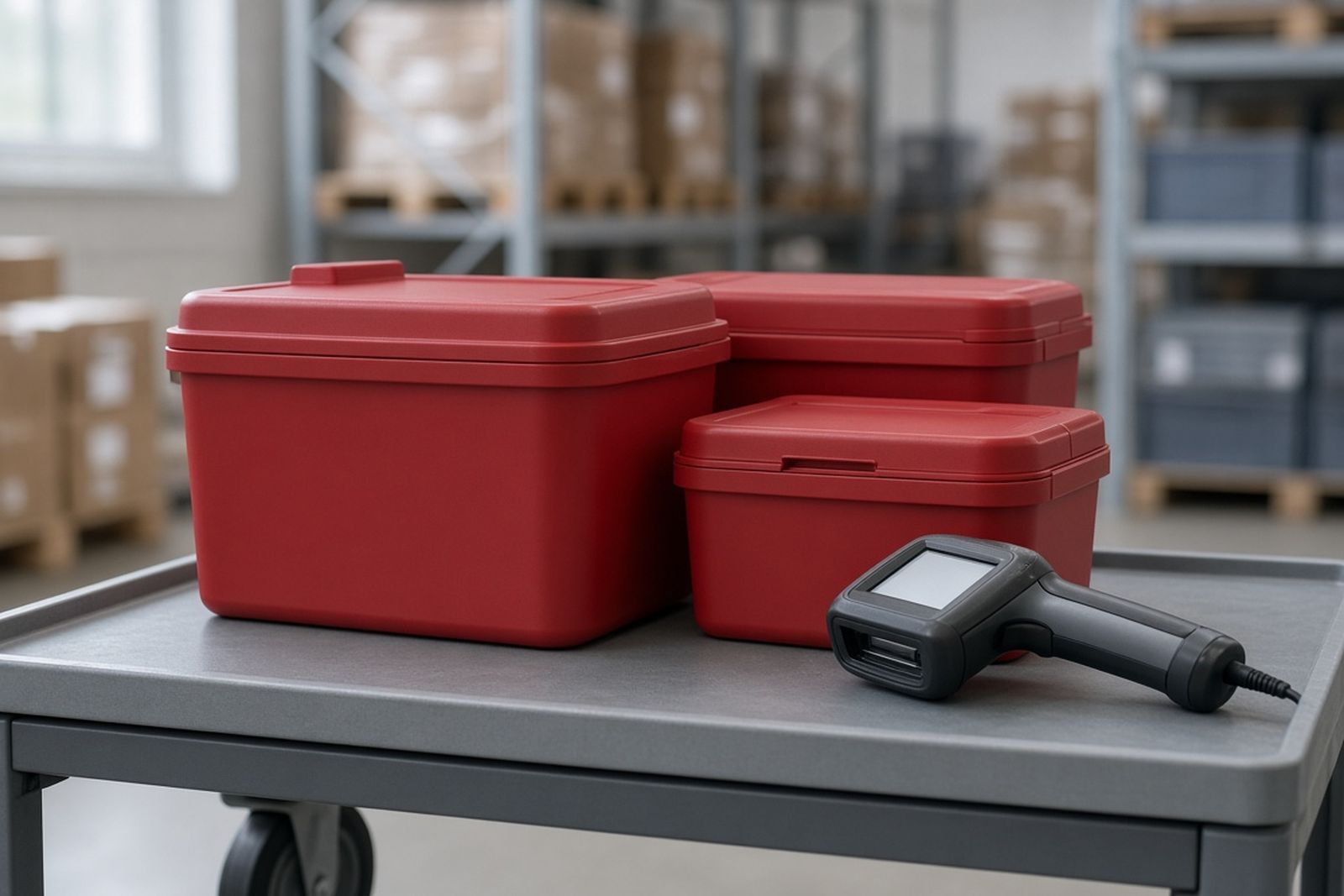
10 Questions to Ask Before Hiring a Biohazard Waste Transport Company
Ask a medical waste hauler about permits, treatment sites, container rules, manifests, refusals, surcharges, and exit terms before you sign a service contract.
Before hiring a biohazard waste transport company, ask which permits it holds in your state, which waste categories it accepts, where your waste is treated, what containers it supplies, how manifests and certificates work, what causes a refused container, how drivers are trained, what the full price includes, how the contract renews or ends, and how it handles incidents on the road.
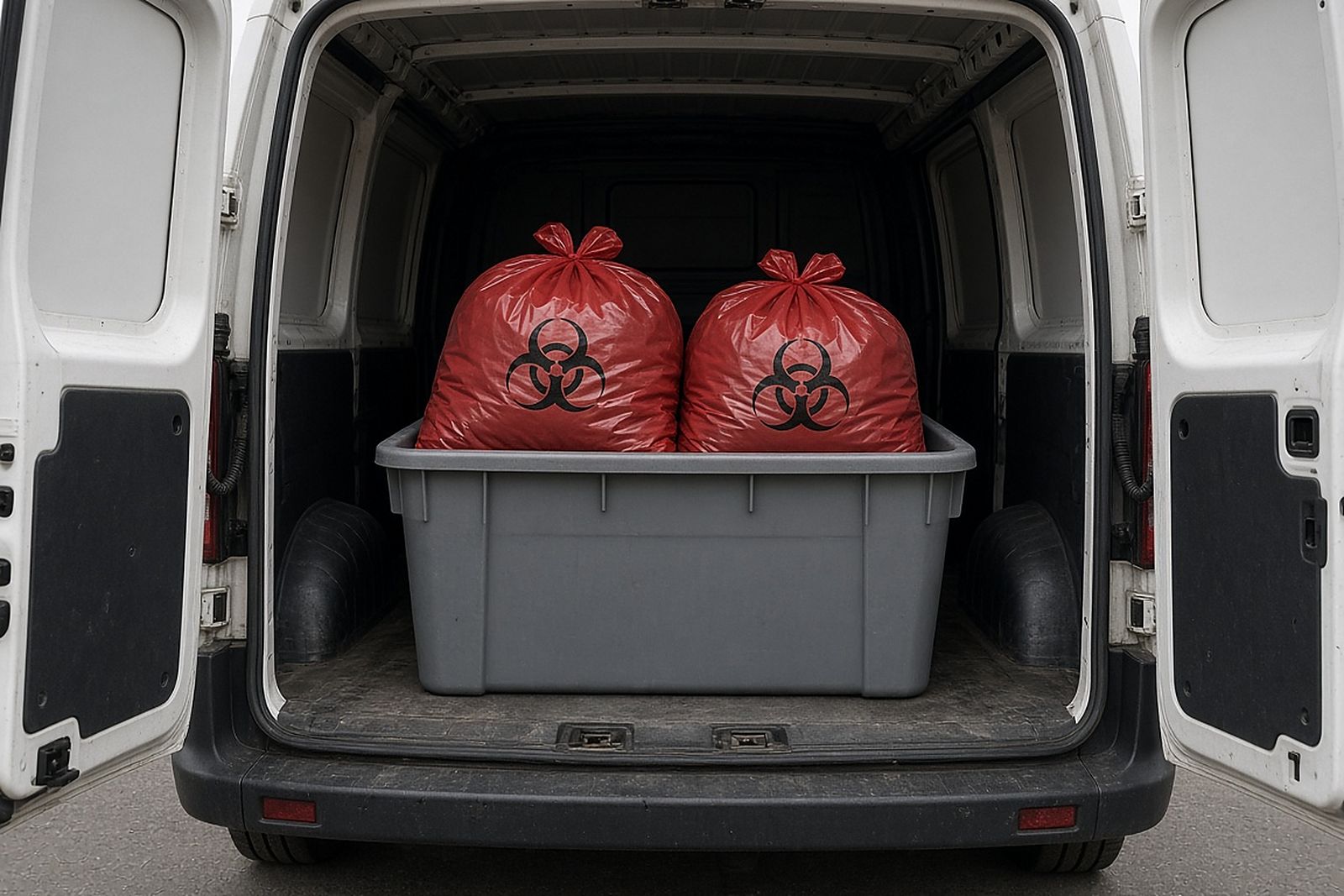
Red Flags When Hiring Biohazard Waste Transport Services
No state registration, no manifests, vague answers about the treatment plant, and auto-renewing contracts are warning signs when picking a medical waste hauler.
When hiring a biohazard waste transporter, watch for missing state registration or permits, no tracking documents or manifests, vague answers about which facility treats the waste, drivers without hazmat training, containers that do not meet transport rules, and contracts full of automatic renewals and hidden fees. As the generator, you share responsibility, so choose a hauler that documents every step.
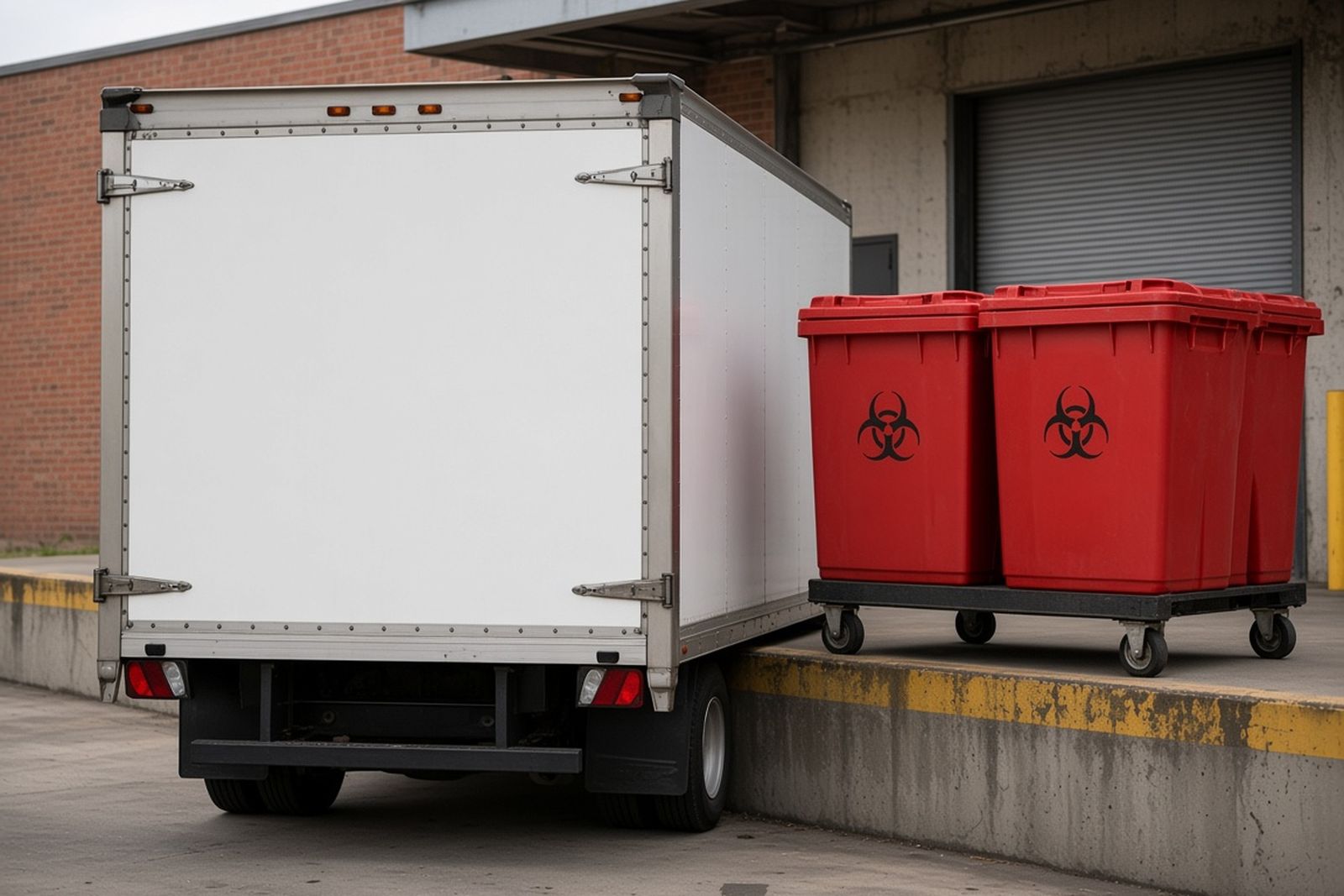
Training, Documentation, and Credentials for Biohazard Waste Transport
State registration, DOT hazmat training, bloodborne pathogen programs, and tracking records are what qualify a medical waste hauler to move your waste.
Qualified biohazard waste transporters combine state registration or permits, DOT hazmat training for anyone who packages, loads, or drives regulated medical waste, OSHA bloodborne pathogen training, proper vehicles and containers, and a paper or electronic trail from pickup to treatment. As a generator, you should ask to see registration details and sample tracking records, then verify them with your state agency.

How to Compare Local and National Biohazard Waste Transport Providers
National medical waste haulers offer reach and systems; local ones offer flexibility and a direct line. Here is how to compare them on what matters to you.
Compare local and national medical waste haulers on the same criteria: registration in every state you need, where your waste is treated, how records reach you, contract terms and fees, pickup reliability, and who answers when problems arise. National firms often bring wide coverage and portals; local firms often bring flexibility and direct contact. Size alone does not decide quality.
Sourced figures on choosing a company
- 57.3%
57.3% reported no sharps training or were unsure whether they had received it.
Read with care: Self-report and single clinic; distinguish container use from final drop-off.
Source: Charbonneau et al. (2022)89 respondents at a US community care clinic.
- 3.47
Unsafe disposal was associated with household needlestick reports (aOR 3.47; 95% CI 2.01–5.99).
Read with care: Single hospital; self-report; adjusted associations, not intervention effects.
Source: Wu et al. (2025)1,810 insulin-treated outpatients in Enshi, China; 2023–2024; 30-day recall.
- 90%
About 90% reported putting used sharps directly into household waste.
Read with care: Sample-specific knowledge classifications; cannot generalise to all China.
Source: Zan et al. (2024)334 people with diabetes in China.
These figures are public research and agency data, not this network's own job records. Keep each number with its population, year and limits; none of them predicts cost, timing or outcome at a specific property.
What research has found
Findings from published studies of people and properties in situations like this one. They describe what researchers observed in a specific group; they are not predictions for your case.
Diabetes duration's unadjusted association disappeared after adjustment.
Other reported disposal routes included recycling bins, toilets and accumulating items at home.
Choosing a Company: common questions
What should I ask a transporter before signing a contract?
Ask for its state permits, the name of the treatment site, and a sample waste shipping record. Ask how treatment papers are returned. Make clear who supplies containers, how refused boxes are handled, and what fees apply for extra or missed pickups. Also ask whether its own drivers will serve you, or whether it uses other companies.
Is it a red flag if a transporter will not name its treatment facility?
Yes. You have a real need to know where your waste goes. A good hauler should be able to name the permitted site and explain its process. A vague answer, such as saying the waste is simply taken care of, should lead to more questions or a different vendor. Confirm the site's permit with the right state agency.
Should a remediation customer hire a separate transporter?
Usually the cleanup contractor arranges hauling as part of its work plan, and that is often simplest. Still, ask which hauler it uses and ask for copies of the paperwork. If a contractor leaves waste behind or cannot explain its disposal plans, you may need to hire a permitted hauler yourself. Record the handoff when you do.
Should I choose a hauler that also handles pharmaceutical waste?
If you make drug waste, one vendor for several types of waste can make scheduling and records simpler. Make sure the company is approved for each type and uses the right treatment for each one. Compare the bundled price with separate vendors. Check that drug waste records are just as clear as your medical waste records. Convenience should not replace checking.
What should I look for in a hauler's sample contract?
Read the term length, renewal wording, cancellation notice, and price increase rules. Also read the surcharge terms, who owns the containers, fees for refused or extra pickups, and how records are delivered. Check who is named as responsible for waste at each stage. Ask about anything unclear before signing, and ask for changes in writing. Compare sample contracts side by side, the same way you compare prices.
How do I choose a hauler for a single pickup after a cleanup?
Look for a licensed hauler that offers one-time or on-call service in your area and accepts the types of waste involved. Confirm its registration. Ask what containers it needs and how you will get the shipping paper and treatment confirmation. If a cleanup company is involved, ask whether its hauler can take the waste. That often keeps paperwork simpler.
What should I ask about a hauler's plan for missed pickups?
Ask how you will hear about a missed stop and how fast a make-up pickup is scheduled. Ask whether there is a charge, and what happens if your storage limit is getting close. Ask whether backup trucks or partner companies cover breakdowns. A hauler with a clear answer has thought about reliability. Put the key points in the contract if you can.
Related community polls
Every count is a real visitor vote; nothing is seeded or padded. One vote per poll per device, and you can change your answer.
How does your business get medical waste off site now?
Which part of your waste program is most frustrating?
More on biohazard waste transport
Biohazard Waste Transport services
See how medical waste hauling works, from packing and shipping records to permitted treatment, before you sign with a hauler.
Costs explained
What drives the price, published cost ranges, and how to read a written quote line by line.
Insurance and payment
Which policies may respond, how to document a claim, and what to do if coverage is denied.
Planning tools
Use planners to estimate pickup costs, check haulers, sort waste, and organize records for your medical waste program before you commit.
Community polls
See how other clinics, studios, labs, and property owners handle pickup schedules, paperwork, and hauler choices. See where opinions differ from the written rules.
Knowledge quiz
Test what you know about who is responsible, container rules, shipping records, and proof of treatment. Then review the study guide for anything you missed.