Short answer
Before hiring a biohazard waste transport company, ask which permits it holds in your state, which waste categories it accepts, where your waste is treated, what containers it supplies, how manifests and certificates work, what causes a refused container, how drivers are trained, what the full price includes, how the contract renews or ends, and how it handles incidents on the road.
Why your choice of hauler still matters
Handing waste to a transporter does not end your responsibility. As the generator, you are expected to describe your waste correctly, package it properly, and use a transporter authorized to carry it. If a hauler cuts corners, the problem can lead back to you.
The consequences of violations can be serious for the parties involved. Federal hazmat transport rules carry civil penalties for violations. Those penalties apply to whoever commits the violation, but a careful choice of hauler keeps you far from that territory.
The ten questions below are designed for clinic managers, dental and veterinary offices, tattoo studios, funeral homes, labs, and care facilities. They also help remediation customers who need a single pickup after a cleanup.
Ask them of every vendor you are considering, and ask for key answers in writing. A reputable hauler will not be put off by a careful buyer.
Questions 1 and 2: permits and accepted waste
Question 1: What permits or registrations do you hold in my state, and can I see them? Medical waste is regulated mainly at the state level, and requirements for transporters differ widely. Ask for permit or registration numbers and verify them with your state agency if it offers a lookup.
Question 2: Which waste categories will you accept, and which will you not? Many haulers handle sharps and red-bag waste. Fewer handle pathological waste, trace chemotherapy waste, or pharmaceuticals, and hazardous chemical waste usually requires a different vendor. Knowing the boundaries up front prevents refused containers and stranded waste.
If you generate something unusual, describe it clearly and ask how the vendor would classify it. If the answer is unclear, your state environmental or health agency's medical waste program can tell you how that material should be classified.
If your practice operates in more than one state, ask whether the vendor is authorized in each location. A hauler that serves your main office well may not hold the permits needed for a satellite clinic across a state line.
Questions 3 and 4: treatment site and containers
Question 3: Where will my waste be treated, and by what method? Ask for the name and location of the treatment facility, whether waste passes through a transfer station first, and whether it is autoclaved, incinerated, or treated another way. Some states require generators to know or record this information.
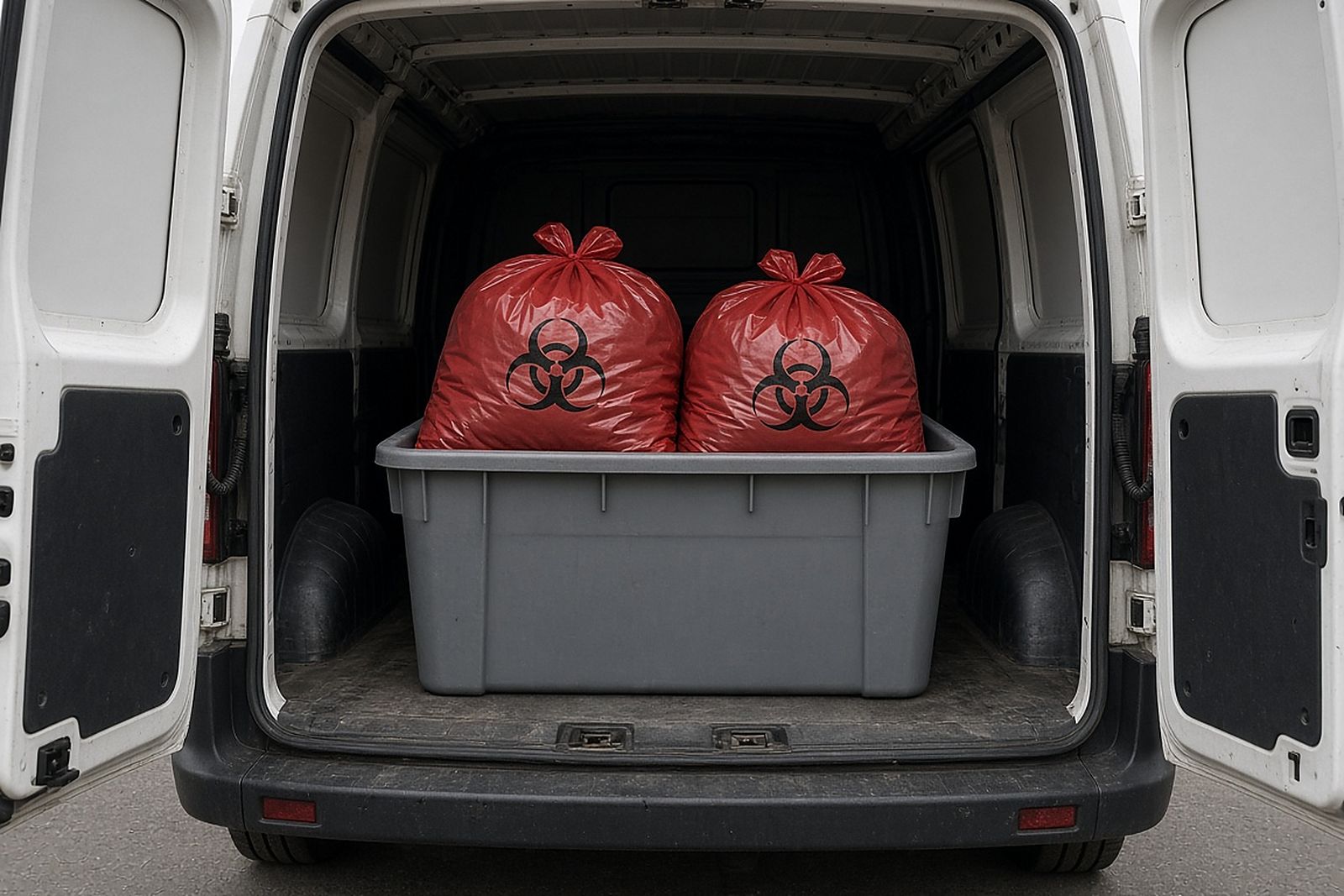
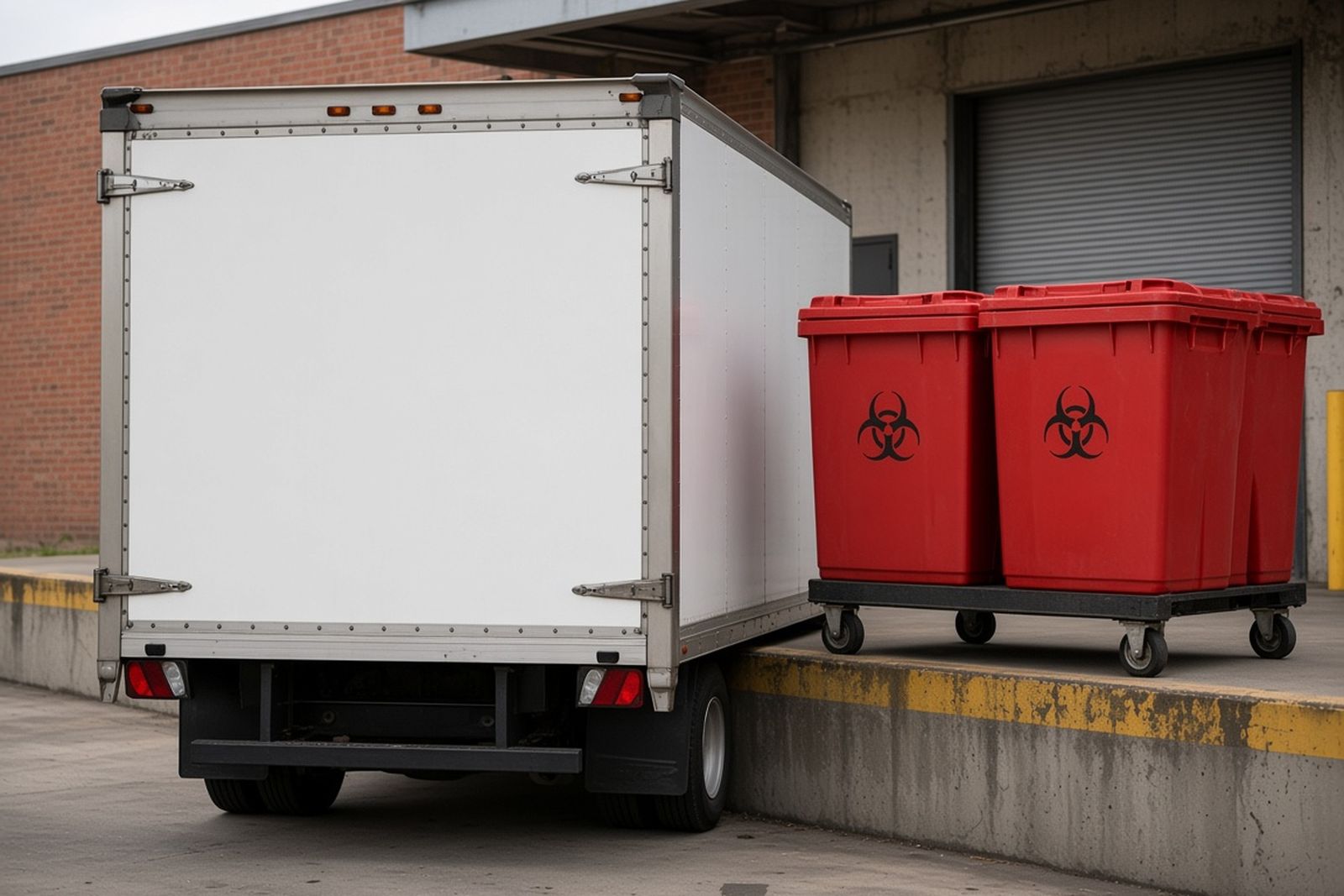
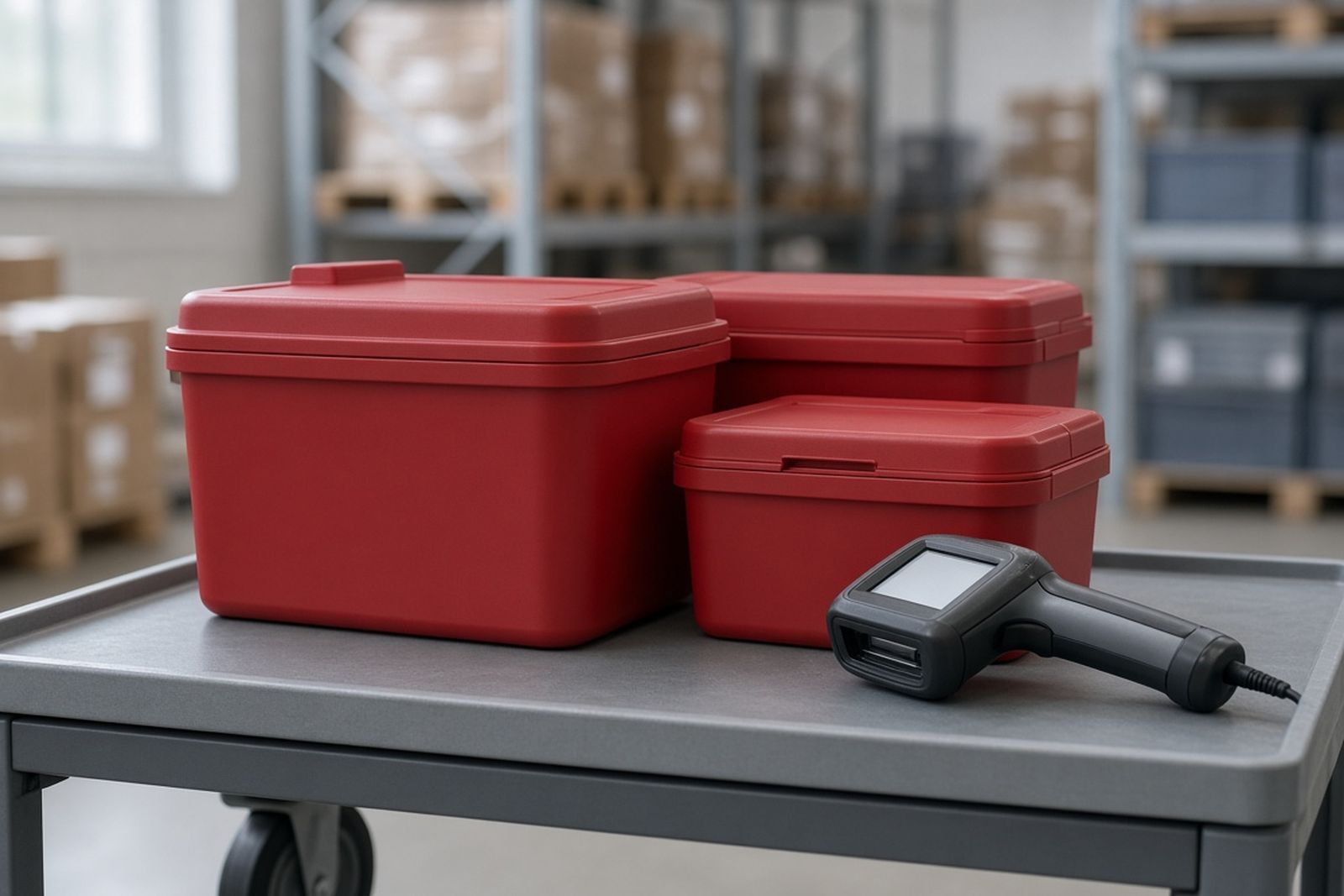
Question 4: What containers will you supply, and what are the rules for filling them? The vendor should provide containers suited to each waste type, with clear fill lines and labeling instructions. Ask whether containers are reusable or disposable, whether rental is included in the price, and what happens if you run out between pickups.
Ask for written packaging instructions you can post near your storage area. Staff turnover is common in small offices, and a posted guide keeps new employees from making costly mistakes.
Ask about storage expectations as well. The vendor may have recommendations for how long sealed containers should sit before pickup and whether some waste types, such as pathological material, need refrigeration while they wait. Those details shape how often you need service.
Questions 5 and 6: paperwork and refused containers
Question 5: How do manifests and certificates of treatment work with you? Ask what document the driver will ask you to sign, how you will receive your copy, and how and when you will receive proof that the waste was treated. Many vendors use online portals. Ask whether there is a charge for certificates or records requests.
Question 6: What causes a container to be refused, and what happens next? Drivers commonly refuse overfilled, unlabeled, leaking, or mixed containers. Ask whether the driver will explain the refusal in writing, whether the container can go at the next pickup, and whether a fee applies.
A vendor that helps you avoid refusals through training and clear instructions is usually worth more than one that is slightly cheaper but leaves you guessing.
Question 7: driver training
Question 7: How are your drivers trained? Drivers handling regulated medical waste need hazmat training under federal transport rules and any state-specific training. Ask how the company trains new drivers and how often training is refreshed.
Pay attention to the driver's habits once service begins. A driver who checks lids, counts containers aloud, and hands you a copy of the paperwork every time is a good sign that the company's training is working.
Question 8: incidents on the road
Question 8: How do you handle incidents during transport? Spills and accidents are rare but possible. Federal rules require prompt reporting of certain serious incidents. According to DOT PHMSA rules, hazmat incidents that kill or hospitalize someone, close a major artery for an hour, or involve infectious substances must be reported by phone within 12 hours. Ask the vendor who notifies you if an incident involves your waste.
Also ask about insurance. A transporter should carry appropriate liability and pollution coverage, and many generators request a certificate of insurance before signing.
Questions 9 and 10: full price and exit terms
Question 9: What does the price include, and what can change? Ask for a full breakdown: base rate, container charges, surcharges for fuel or environmental fees, minimum monthly charges, and fees for extra stops, certificates, or training. Ask how and when prices can increase during the contract.
Question 10: How long is the contract, how does it renew, and what does it cost to leave? Automatic renewal clauses with long notice periods are common in this industry. Ask for the cancellation terms in writing and put the notice deadline on your calendar.
Comparing vendors on these two questions often reveals a bigger difference in true cost than the base rate alone.
- Base rate and how it is calculated: per container, per pound, or flat fee
- Surcharges and whether they are capped
- Monthly minimums and how they apply in slow months
- Fees for certificates, extra stops, or refused containers
- Contract length, renewal terms, and notice period to cancel
The list in use: a funeral home switches haulers
Consider a composite example, not drawn from any one client: a small funeral home preparing to switch haulers after its current vendor missed two pickups in one quarter. The director schedules calls with three licensed vendors.
One vendor cannot say which treatment facility it uses. Another has a clear answer for every question but requires a three-year term with automatic renewal and a ninety-day cancellation notice. The third offers a one-year term, provides a portal for manifests and certificates, and sends a sample of its written packaging guide before the call ends.
The director asks the third vendor for its state permit number and verifies it online. She also asks how it would handle the funeral home's occasional pathological waste, and it confirms incineration at a named facility. She signs a one-year agreement and sets a reminder two months before renewal to review service quality.
What red flags suggest I should keep looking?
Some answers point to a vendor that may create problems later. Pay attention to how directly each question is answered.
If you already have a vendor showing some of these signs, you do not have to switch immediately. Document the issues, raise them in writing, and give the vendor a chance to correct them. Keep your notes in case you decide to leave at renewal.
- No permit or registration number offered, or reluctance to share one
- Uncertainty about where waste is treated
- No written packaging or labeling instructions
- Drivers who do not inspect containers or skip signatures
- Missing or late certificates of treatment
- Contract terms that are unclear or change verbally
How should I keep the relationship healthy after I sign?
Review invoices monthly, match certificates to pickups, and keep a simple log of any problems. If issues repeat, raise them in writing with your account representative.
Train staff when you onboard and again whenever there is turnover. Many refusals and cost increases trace back to sorting habits that drift over time.
Revisit the questions above at every renewal. Your volume, waste types, and needs may change, and the best vendor for you today may not be the best one in three years.
If a vendor is acquired or changes its name, confirm that permits, treatment facilities, and contract terms have not changed. Consolidation is common among waste haulers, and a new owner may bring new policies.